

Team identity is about much more than a logo, a slogan, or a winning record. It is the feeling that connects athletes when they step onto the field, court, track, or playing area. A well-designed Sport Custom Uniform can become one of the strongest visual symbols of that connection.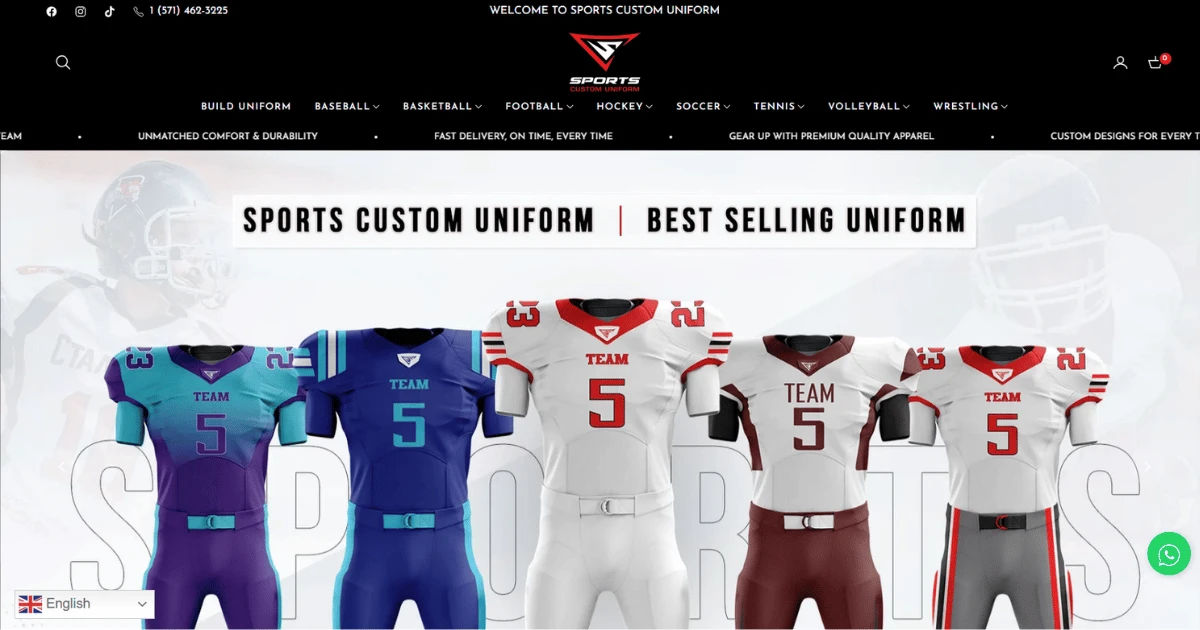
When athletes wear matching colors, patterns, numbers, and team marks, they immediately communicate that they belong to something bigger than themselves.
A Sport Custom Uniform can influence how players see themselves and how others see the team. It creates consistency, pride, recognition, and a sense of shared purpose. While uniforms cannot create teamwork on their own, they can reinforce the values and culture that coaches, players, and organizations work hard to develop.
Team Identity
Team identity is the collection of values, traditions, visual elements, behaviors, and emotions that define a sports team. It answers a simple but important question: “Who are we as a team?”
A team may be known for discipline, confidence, speed, toughness, creativity, or community involvement. These qualities can be reflected in its visual identity.
Uniforms are particularly powerful because athletes interact with them every time they compete. Unlike a poster or social media graphic, a uniform travels with the players and becomes part of their physical presence.
A thoughtfully designed Sport Custom Uniform gives these ideas a visible form. Colors can represent tradition, patterns can communicate energy, and logos can connect players to their club, school, or organization.
The result is a visual identity that players can recognize immediately.
Creating a Shared Sense of Belonging
One of the simplest ways uniforms build identity is by making players look like members of the same group.
Sports naturally bring together people with different personalities, backgrounds, strengths, and roles. A goalkeeper may have a completely different personality from a striker. A basketball center may have a different playing style from a point guard.
When everyone wears the same team design, those differences become part of a larger group.
A Sport Custom Uniform visually communicates equality within the team. Every player wears the same core colors and branding, even though individual names and numbers may differ.
This can strengthen the feeling that every athlete contributes to one shared mission.
Building Team Pride
Pride develops when athletes feel connected to their team and believe their participation matters. A professional-looking uniform can contribute to that feeling.
Players often become more conscious of their appearance when they receive a new uniform. They may take greater care of it, wear it confidently, and feel excited about representing their team.
That emotional response matters.
A Sport Custom Uniform can become associated with important moments such as championships, tournaments, rivalries, first matches, and memorable victories. Over time, the uniform itself becomes part of the team's history.
When younger players later wear designs inspired by earlier generations, they can feel connected to the athletes who represented the organization before them.
Using Colors to Strengthen Recognition
Color is one of the fastest ways to recognize a sports team.
A distinctive color combination can make a team recognizable from a distance. Fans may identify players before they can read the team name or logo.
This is why color selection should not be treated as a minor design decision.
A Sport Custom Uniform should use colors that fit the team's existing identity whenever possible. Schools and established clubs may already have official colors that need to remain consistent.
New teams have more freedom, but they should still choose colors that are practical and memorable.
Contrast is also important. A beautiful combination may look impressive on a design screen but become difficult to distinguish during a fast-moving match.
Good uniform design balances appearance with visibility.
Making the Logo Meaningful
A team logo is more than decoration. It can represent a school, community, city, club, organization, mascot, or tradition.
When placed correctly on a uniform, it becomes a symbol of representation.
Players are not simply wearing clothing. They are wearing the identity of the organization they represent.
A Sport Custom Uniform can make the logo more powerful by giving it a consistent and professional setting. The same logo can appear on jerseys, shorts, warm-up clothing, jackets, bags, and other team equipment.
Consistency strengthens recognition.
However, designers should avoid covering the uniform with too many competing logos. Sponsors, manufacturers, league marks, and team branding all need space.
The goal should be a clear hierarchy in which the team's primary identity remains easy to recognize.
Giving Athletes Individual Recognition
Team identity does not mean eliminating individuality.
Names and numbers allow players to maintain their personal identity while still belonging to the larger group. A well-designed Sport Custom Uniform creates a balance between collective identity and individual recognition.
Numbers are particularly important because they serve both practical and emotional purposes.
A player may associate a number with childhood memories, a family tradition, a favorite athlete, or a meaningful personal experience. When that number becomes part of the team uniform, it helps the athlete feel personally connected to the design.
At the same time, teammates and supporters can identify individual players quickly.
This combination of personal and collective identity is one of the strongest advantages of custom uniforms.
Reflecting Team Values Through Design
Design can communicate personality without using many words.
A team that wants to appear aggressive may choose sharp graphic elements and strong contrasts. A youth organization may prefer bright, energetic designs. A traditional club may choose classic styling that reflects its history.
The design should match the team's character.
A Sport Custom Uniform should therefore begin with questions about identity rather than decoration.
What does the team represent?
What should opponents notice?
What should players feel when they put the uniform on?
What traditions should remain visible?
These questions help transform a uniform from ordinary sportswear into a meaningful identity system.
Strengthening Team Culture
Culture is built through repeated behaviors and shared experiences. Uniforms cannot replace good coaching or positive leadership, but they can reinforce cultural messages.
For example, a team that emphasizes discipline may take pride in keeping uniforms clean and properly prepared. A team focused on unity may use identical designs across different age groups.
A Sport Custom Uniform can also help establish traditions.
Teams may create special uniforms for anniversaries, championship seasons, charity events, or major competitions. These designs can become associated with specific moments in the organization's history.
Over time, players begin to understand that they are not simply participating in another season. They are contributing to an ongoing story.
Helping New Players Feel Included
Joining an established team can sometimes feel intimidating.
New athletes may not know the traditions, personalities, or expectations of the group. Receiving the same uniform as everyone else provides an immediate physical connection.
A Sport Custom Uniform tells a new player, in a simple visual way, that they are now part of the team.
This can be particularly valuable for youth teams.
Children and teenagers often care deeply about belonging and acceptance. Wearing the same colors and design as their teammates can make the transition into a new group feel easier.
The uniform becomes one of the first visible signs that they have moved from being an outsider to being a team member.
Creating Recognition Among Fans
Team identity also extends beyond athletes.
Supporters need to recognize their team quickly, particularly during large tournaments where several teams may compete at the same venue.
A distinctive Sport Custom Uniform makes that recognition easier.
Fans may purchase merchandise based on the team's colors and design. Parents may take photographs wearing team apparel. Schools may display the uniform design on banners and promotional materials.
This creates a visual ecosystem around the team.
When the same colors, logo, and design language appear across uniforms and supporter materials, the organization becomes easier to recognize.
Improving Professional Appearance
Professional appearance can influence confidence.
This does not mean an expensive uniform automatically creates a successful team. Performance still depends on preparation, coaching, fitness, skill, and teamwork.
However, athletes often feel more prepared when their equipment looks organized and intentional.
A high-quality Sport Custom Uniform can make a team appear serious and prepared before the game even begins.
That perception can influence opponents, spectators, sponsors, and the athletes themselves.
The important point is that professionalism comes from consistency. Poor sizing, mismatched colors, low-quality printing, or inconsistent logos can weaken the identity the organization is trying to build.
Designing for Different Team Levels
Team identity exists at every level of sport.
A school team may need to emphasize school traditions. A local club may focus on community identity. A professional organization may have strict brand guidelines.
The Sport Custom Uniform should match the scale and purpose of the organization.
Youth teams often benefit from simple, memorable designs that remain visually appealing as players grow. Amateur clubs may want flexible designs that work across several sports or age groups.
More established organizations may need detailed branding systems that maintain consistency across many teams.
There is no single design formula that works for everyone.
The best approach is to understand the organization's goals before choosing colors, patterns, fonts, and materials.
Maintaining Consistency Across Seasons
A team identity becomes stronger when it remains recognizable over time.
Changing everything every season can make it difficult for supporters and players to develop a strong visual connection with the organization.
That does not mean uniforms must remain identical forever.
A Sport Custom Uniform can evolve while keeping important identity elements consistent. A team might maintain its traditional colors and logo while updating patterns, typography, or trim.
This creates a useful balance between heritage and modern design.
The organization can look current without abandoning the visual features that supporters already recognize.
Choosing Designs Players Actually Want to Wear
Athletes should have a voice in the design process.
Coaches and administrators may understand branding requirements, but players are the people who will wear the uniforms during training and competition.
Asking players for feedback can increase their emotional investment.
A Sport Custom Uniform should look good from the player's perspective while still meeting practical requirements. Athletes may notice details that administrators overlook, such as uncomfortable collars, restrictive sleeves, distracting patterns, or difficult-to-read numbers.
Listening to athletes can turn uniform design into a team-building activity rather than a purely administrative decision.
Balancing Style With Performance
Identity matters, but sports uniforms also have a practical job.
Players need freedom of movement, ventilation, durability, and appropriate comfort. A visually impressive uniform that restricts movement or becomes uncomfortable during competition is not a successful design.
A Sport Custom Uniform should therefore combine identity with performance.
Fabric choice, stitching, fit, weight, moisture management, and construction all influence the athlete's experience.
The design should support movement rather than interfere with it.
When performance and appearance work together, players can feel confident without sacrificing comfort.
Using Uniforms to Celebrate History
Many sports teams have stories that deserve to be remembered.
A club may have celebrated an important anniversary. A school may have won a historic championship. A community organization may have produced generations of athletes.
A Sport Custom Uniform can incorporate subtle references to these milestones.
Special-edition uniforms might feature historic colors, anniversary badges, or traditional patterns.
These details can create emotional connections between current players and previous generations.
The uniform becomes a reminder that today's athletes are part of something that existed before them and may continue after they leave.
Avoiding Common Design Mistakes
Building team identity does not require adding every possible design element.
Too many colors can create confusion. Excessive patterns can make numbers difficult to read. Oversized sponsor marks can overpower the team's identity.
Another common mistake is copying popular professional designs without considering the team's own personality.
A Sport Custom Uniform should feel authentic to the organization.
Poor consistency can also weaken recognition. If every age group uses completely different colors, logos, and fonts, supporters may struggle to understand the connection between teams.
Simple consistency is often more powerful than excessive creativity.
Making the Uniform Part of Team Traditions
The strongest identities develop through repeated experiences.
Teams can create traditions around their uniforms. Players might receive their first official jersey during a special ceremony. Captains might receive a symbolic version of the uniform. Older players might pass jerseys or numbers to younger athletes.
A Sport Custom Uniform can become part of these rituals.
Once a uniform carries memories, it becomes more than fabric.
It represents friendships, difficult training sessions, important victories, disappointing losses, and the people who shared those experiences.
That emotional history is difficult to manufacture through advertising. It develops naturally through participation.
The Role of Coaches and Leaders
Coaches have an important role in turning visual identity into meaningful identity.
A uniform only becomes powerful when leaders connect it to behavior.
If coaches talk about representing the team with respect, athletes begin to understand that wearing the uniform carries responsibility.
The Sport Custom Uniform can then represent standards as well as appearance.
Players learn that their actions reflect on teammates, coaches, families, and the organization.
This connection between appearance and behavior can strengthen accountability.
The uniform becomes a visible reminder that athletes are representatives of something larger than themselves.
Measuring the Impact on Team Identity
The effect of uniforms is not always easy to measure with statistics.
However, organizations can look for practical signs.
Do players show excitement when new uniforms arrive?
Do athletes take better care of their equipment?
Do supporters recognize the team more easily?
Do younger teams identify with the organization's wider brand?
Do players feel proud when representing the club outside competition?
These observations can provide useful evidence.
A Sport Custom Uniform is successful when it supports recognition, belonging, pride, and consistency without becoming a distraction from sport itself.
Conclusion
A strong team identity develops from many connected elements, including leadership, shared values, traditions, communication, performance, and community support. Uniform design cannot create those qualities by itself, but it can give them a visible and memorable form.
A carefully planned Sport Custom Uniform helps athletes feel that they belong to a common group while still allowing individual players to express their identity through names and numbers. Colors improve recognition, logos communicate representation, and consistent design connects current players with the organization's history.
The most effective uniforms are not necessarily the loudest or most complicated. They are the ones that feel authentic to the team. They combine practical performance with a visual style that players are proud to wear.
When athletes put on a uniform and immediately feel connected to their teammates, supporters, coaches, and shared goals, the design has achieved something important.
It has become part of the team's culture.
Ultimately, the real power of a Sport Custom Uniform comes from the meaning people attach to it. A jersey can begin as fabric, thread, printing, and numbers, but years of shared experiences can turn it into a symbol of belonging. That is why thoughtful uniform design deserves attention. It does not simply make a team look organized; it can help communicate who the team is, what it values, and what its members are proud to represent.

Leave a Reply