

A Blister packing machine is widely used in pharmaceutical, medical, food, electronics, and consumer-product industries to create sealed packages around individual products. The forming stage is one of the most important parts of the entire packaging process because it creates the cavities where tablets, capsules, medical devices, or other products will be placed.
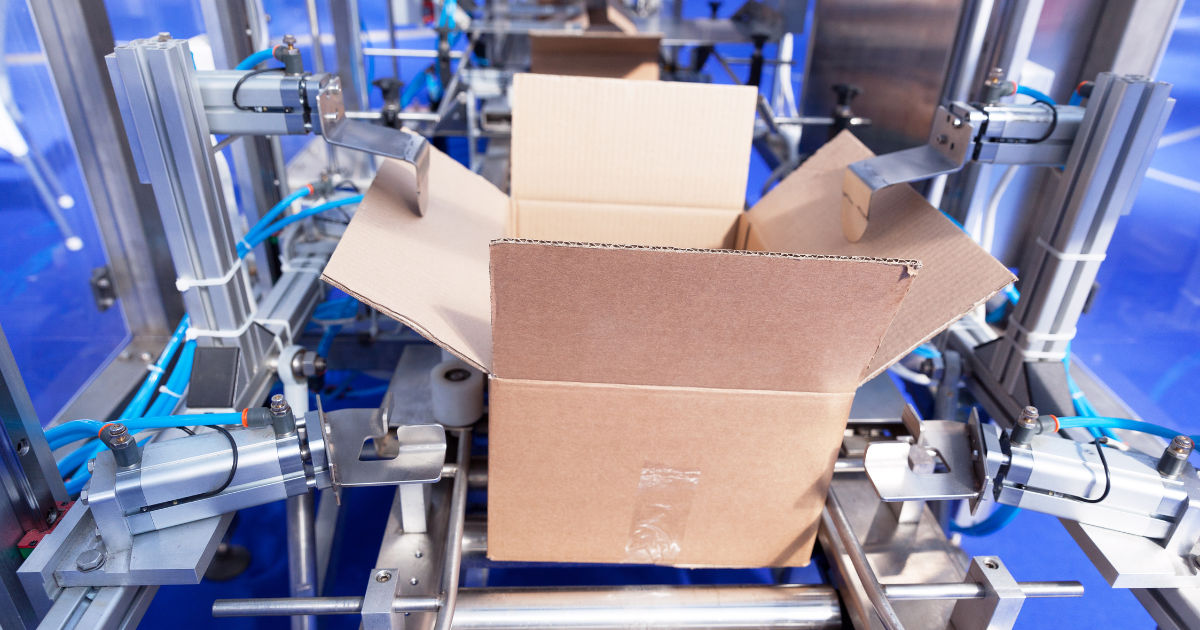
During forming, a flat plastic or aluminum-based packaging material is changed into a shaped pocket. The pocket must have the correct size, depth, and shape so that the product fits securely and the package can later be sealed properly. Understanding how this process works helps manufacturers select suitable equipment, materials, temperatures, and operating settings.
What Is Blister Packaging?
Blister packaging is a type of pre-formed packaging that places a product inside a shaped cavity. A flexible or rigid sheet is formed around the product, while another material, often aluminum foil, is sealed over the cavity.
Pharmaceutical companies commonly use blister packs for tablets and capsules. Each dose can have its own separate pocket, which makes handling easier and provides protection from moisture, dust, contamination, and physical damage.
The forming process determines the basic shape of each cavity. If the cavity is too shallow, the product may not fit correctly. If it is too deep or incorrectly shaped, material usage can increase and the package may become difficult to seal.
Main Materials Used for Forming
The forming process depends strongly on the material selected for the blister.
PVC
Polyvinyl chloride, commonly called PVC, is one of the most frequently used materials for pharmaceutical blister packaging. It can be heated and shaped relatively easily.
PVC provides good visibility because many blister packages are transparent. It also offers useful mechanical strength and is suitable for many standard applications.
PVDC-Coated Materials
Some products require stronger protection against moisture and oxygen. In these situations, PVC may be coated with a material such as PVDC.
The coating improves barrier performance while maintaining the basic forming characteristics of the underlying sheet.
Aluminum
Aluminum-based materials can also be used when strong barrier protection is required. Aluminum is especially useful for products that are sensitive to light, moisture, or oxygen.
However, aluminum forming is different from thermoforming plastic. The material may be mechanically shaped rather than heated in the same way as a plastic sheet.
Other Plastic Materials
Depending on the application, manufacturers may use materials such as PET, PP, or specialized multilayer films.
The correct material depends on the product, required barrier properties, cavity design, regulatory requirements, and packaging equipment.
How Does the Forming Process Work?
The forming stage generally follows a series of controlled steps. Although equipment designs differ between manufacturers, the basic principle remains similar.
Step 1: Feeding the Packaging Material
The process begins when the packaging material is supplied from a roll or sheet.
A feeding system moves the material toward the forming station. The movement must be carefully controlled because inaccurate positioning can cause problems throughout the rest of the packaging process.
Modern equipment often uses sensors, servo motors, or mechanical indexing systems to control material movement.
Step 2: Heating the Material
For thermoformed blister packaging, the plastic sheet is heated before it enters the forming area.
Heating makes the material soft and flexible enough to change shape without breaking. The temperature must be carefully controlled.
If the material is not heated sufficiently, it may resist forming and create incomplete cavities. Excessive heat can make the sheet too soft, cause unwanted thinning, or affect its appearance.
The heating system therefore plays an important role in the operation of a Blister packing machine.
Step 3: Positioning the Sheet
After heating, the material is accurately positioned over the forming tool.
Correct alignment is essential because the cavities must be created at precise locations. The forming station, product feeding system, and sealing station must all work together.
Even a small positioning error can cause products to sit incorrectly inside the cavities.
Step 4: Creating the Cavity
The actual cavity is created when the heated material is pushed or pulled against a forming tool.
There are several common forming techniques.
Main Blister Forming Methods
Different machines use different methods depending on the material and package design.
Vacuum Forming
Vacuum forming is one of the most common techniques for plastic blister packaging.
In this method, the heated sheet is placed over a mold. Air is removed from the space between the material and the mold.
The pressure difference causes atmospheric pressure to push the softened sheet against the mold surface.
As the material conforms to the mold, it takes the desired cavity shape. Once the material cools, the cavity retains its shape.
Vacuum forming is relatively simple and can produce many different cavity designs.
Pressure Forming
Pressure forming uses compressed air to push the heated material against the forming tool.
Compared with vacuum forming, pressure forming can provide greater forming force. This can allow manufacturers to create more detailed shapes and sharper cavity features.
The method can be particularly useful when the package requires precise dimensions or attractive surface details.
Plug-Assisted Forming
Some packages require deeper or more controlled cavities. In these applications, plug-assisted forming may be used.
A plug physically pushes the heated sheet into the forming cavity before or during the application of vacuum or compressed air.
This technique helps distribute material more evenly throughout the cavity.
It can reduce excessive thinning in certain areas and provide better control over cavity depth.
Cold Forming
Cold forming is commonly associated with aluminum-based blister materials.
Instead of heating a plastic sheet until it becomes soft, the aluminum laminate is mechanically pressed into the required cavity shape.
A forming tool applies force to deform the material.
Cold forming provides excellent barrier protection and is often selected for sensitive pharmaceutical products.
The Role of the Forming Tool
The forming tool is one of the most important components in a blister packaging system.
It contains the shapes that determine the final cavity dimensions. The tool may be manufactured from materials designed to withstand repeated production cycles and controlled operating conditions.
The design of the tool affects cavity depth, shape, spacing, product appearance, and material distribution.
For pharmaceutical applications, the cavity must also provide enough space to prevent tablets or capsules from being damaged during later stages.
Why Temperature Control Matters
Temperature is one of the most important factors in thermoforming.
The plastic must reach a suitable forming temperature before entering the mold. Different materials have different temperature requirements.
A well-controlled Blister packing machine uses heating zones to manage the temperature of the packaging sheet.
The material may need to be heated gradually rather than exposed to excessive heat at one point.
Good temperature control helps produce consistent cavities throughout a production run.
Why Material Thickness Matters
The thickness of the packaging material affects how easily it forms and how strong the finished blister will be.
A thin sheet may require careful forming conditions because excessive stretching can make some areas very thin.
A thicker sheet may provide greater mechanical strength but can require more energy and forming force.
Manufacturers therefore select material thickness according to the product, cavity design, barrier requirements, and packaging specifications.
What Happens After Forming?
Forming is only one stage of the packaging process.
After the cavities have been created, products are normally placed into them using an automatic feeding system.
For pharmaceutical applications, tablets or capsules must be correctly counted and positioned.
Sensors may inspect the cavities to identify missing or incorrectly positioned products.
Once the products are inside, a lidding material is placed over the formed web.
Sealing the Blister
The sealing station joins the lidding material to the formed base material.
Heat and pressure are commonly used to create a strong seal.
The sealing conditions must be carefully controlled because insufficient sealing can allow moisture or contaminants to enter the package.
Excessive temperature or pressure can damage the packaging material or affect the appearance of the finished pack.
The forming and sealing stages therefore need to be properly coordinated.
Cutting the Finished Blister
After sealing, the continuous web is divided into individual blister packs.
A cutting or punching station uses specially designed tooling to separate the packs.
The dimensions of the finished package must remain consistent so that it can be handled, transported, labeled, and stored efficiently.
Cutting accuracy also contributes to the overall appearance of the final product.
Common Forming Problems
Several problems can occur when forming conditions are not properly controlled.
Incomplete Cavities
An incomplete cavity may occur when the material does not fully reach the mold surface.
Possible causes include insufficient heating, inadequate vacuum, incorrect pressure, or unsuitable material properties.
Uneven Wall Thickness
When plastic stretches during forming, its thickness can change.
Poor temperature control or unsuitable forming conditions may cause excessive thinning in certain areas.
This can weaken the package and affect its protective performance.
Wrinkles
Wrinkles may appear when the material does not move smoothly into the forming cavity.
Incorrect heating, material tension, or forming-tool conditions can contribute to this problem.
Cracks and Breakage
Cracks can develop if the material is overstretched or processed under unsuitable conditions.
Cold-forming aluminum can also develop defects when excessive force or inappropriate tooling is used.
Inconsistent Cavity Dimensions
Cavities must remain consistent throughout production.
Variations can result from changes in temperature, material feeding, vacuum pressure, mechanical alignment, or tooling conditions.
Regular inspection helps identify these problems before large quantities of packaging are produced.
How Modern Machines Improve Forming Accuracy
Modern packaging equipment uses automation to improve forming consistency.
Servo-driven systems can provide accurate material movement. Sensors can monitor positioning and detect abnormalities.
Some systems also use programmable controls that allow operators to adjust temperature, pressure, timing, and machine speed.
A modern Blister packing machine can coordinate these settings to produce thousands of consistent packages during a production run.
Automation also reduces the need for constant manual adjustment.
Importance of Machine Speed
Production speed is another important consideration.
Increasing speed can improve output, but the forming process must still have enough time for heating, shaping, cooling, and indexing.
If the machine operates faster than the material and tooling can handle, defects may increase.
Manufacturers therefore need to balance productivity with package quality.
A reliable forming process should produce consistent cavities at the required production speed rather than simply operating at the highest possible speed.
Quality Control During Forming
Quality control begins during material preparation and continues throughout production.
Operators may inspect cavity dimensions, material appearance, alignment, and forming quality.
Automated vision systems can identify problems such as missing products, damaged cavities, contamination, or incorrect positioning.
For pharmaceutical packaging, quality control is especially important because the package must protect the product and maintain its intended dose presentation.
Maintenance of the Forming System
Regular maintenance helps maintain consistent forming performance.
Heating elements should be inspected to ensure they provide uniform temperatures.
Vacuum lines should be checked for leaks, while compressed-air systems should be maintained at appropriate pressure.
Forming tools should also be inspected for wear, damage, or contamination.
Cleaning is particularly important in pharmaceutical production because residues can affect product quality and hygiene.
Preventive maintenance can also reduce unexpected machine downtime.
How Product Shape Influences Cavity Design
The product itself plays an important role in forming.
A round tablet may require a different cavity shape from an elongated capsule.
Products with sharp edges or unusual dimensions may need additional clearance to prevent damage.
The cavity should hold the product securely while still allowing it to be removed conveniently when the package is opened.
Packaging designers therefore consider product dimensions before developing the forming tool.
How Forming Affects Product Protection
A properly formed cavity provides more than an attractive package.
It protects the product from physical pressure and helps create the correct space for the item.
When combined with an appropriate lidding material, the package can also protect against environmental factors such as moisture, oxygen, and light.
This is particularly important for medicines and other products that may lose quality when exposed to unfavorable conditions.
Choosing the Right Forming Technology
There is no single forming method suitable for every product.
Thermoforming is often suitable for plastic-based blister materials and can provide clear cavities at relatively high production speeds.
Pressure forming can provide detailed cavity shapes.
Plug-assisted forming can improve control over deeper cavities.
Cold forming is valuable when strong barrier protection is required.
The best choice depends on material properties, product sensitivity, package design, production volume, and required protection.
Final Thoughts on Blister Forming
The forming stage is the foundation of a successful blister package. It changes a flat packaging material into precisely shaped cavities that hold individual products.
The process may involve heating, vacuum, compressed air, mechanical pressure, or a combination of these techniques.
A Blister packing machine must maintain accurate temperature, pressure, material movement, and tooling alignment to achieve reliable results.
Small changes in any of these factors can affect cavity quality. For this reason, forming is carefully controlled in modern packaging operations.
Understanding the forming process also makes it easier to identify common problems. Issues such as incomplete cavities, wrinkles, uneven thickness, and inconsistent dimensions often point toward problems with temperature, pressure, material handling, or tooling.
Conclusion
Blister forming is a carefully controlled manufacturing process that transforms flat packaging material into protective product cavities. Although the basic concept may appear simple, achieving consistent results requires precise control over several factors.
In thermoforming applications, the packaging sheet is heated until it becomes flexible. It is then positioned over a forming tool, where vacuum, compressed air, mechanical force, or a combination of these methods shapes the material. Once the material cools, it retains the cavity shape.
Cold forming follows a different principle because aluminum-based materials are mechanically deformed rather than softened through conventional plastic heating.
The forming method must match the packaging material and the needs of the product. Temperature, pressure, forming speed, cavity dimensions, material thickness, and tooling design all influence the final result.
A modern Blister packing machine combines these elements with automated controls to improve consistency and production efficiency. Sensors and computerized systems can monitor machine performance, while inspection equipment can identify defects during production.
The importance of forming extends beyond appearance. Properly formed cavities help protect products, maintain correct positioning, support effective sealing, and improve handling. In pharmaceutical packaging, these functions are especially important because each package may contain an individual dose that needs protection from environmental conditions and physical damage.
Ultimately, successful blister forming depends on choosing the right material, forming technology, tooling, and operating parameters. When these elements are properly matched, manufacturers can produce strong, accurate, and consistent blister packs at high production volumes.
For this reason, understanding how a Blister packing machine forms its cavities is valuable for anyone involved in pharmaceutical, medical, food, or consumer-product packaging. The forming process may be only one stage of the complete packaging operation, but it establishes the basic structure on which filling, sealing, inspection, and cutting all depend.

Leave a Reply