

Energy prices continue to be a major concern for homeowners and businesses across the United Kingdom. Many people are searching for practical ways to stay warm without facing high heating bills. One solution that has gained significant attention is Infrared Heating Systems UK.
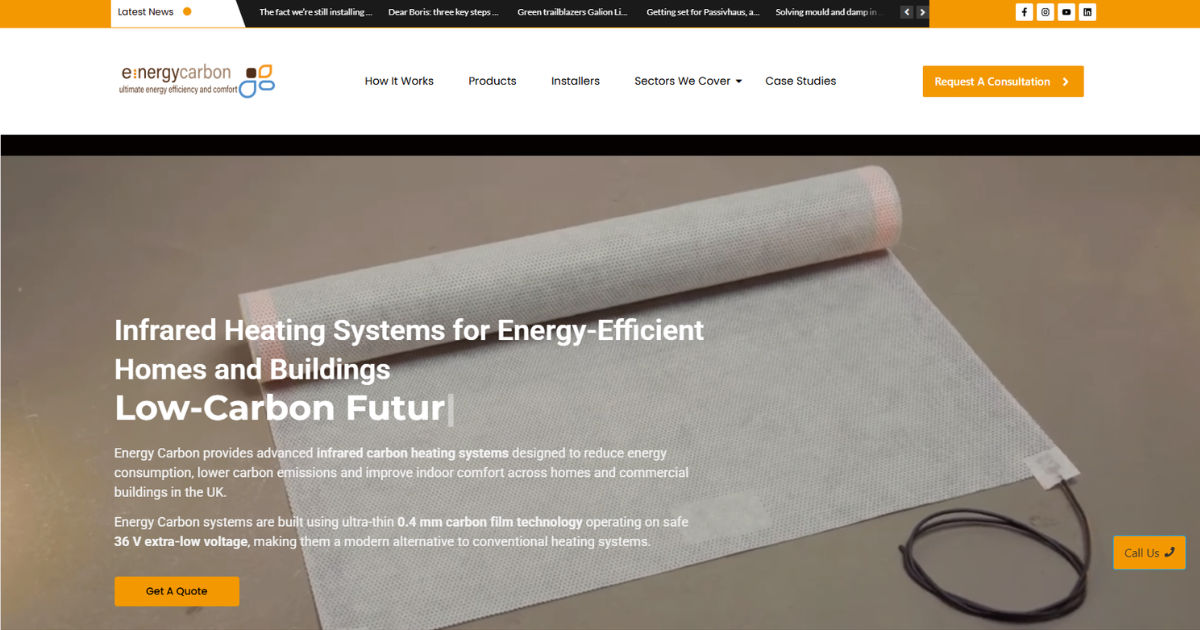
These modern heating systems work differently from traditional central heating, offering an efficient and comfortable way to heat indoor spaces.Unlike conventional radiators that warm the surrounding air, Infrared Heating Systems UK use radiant heat to warm people, furniture, walls, and other objects directly.
This creates a comfortable indoor environment while reducing unnecessary energy waste. But can they really lower energy consumption? The answer depends on several factors, including insulation, room size, installation quality, and how the system is used.
This comprehensive guide explains how infrared heating works, why it is becoming popular across the UK, and whether it can genuinely reduce energy use while keeping your property warm throughout the colder months.
Infrared Heating Technology
Before discussing energy savings, it is important to understand how infrared heating operates.
Traditional heating systems warm the air first. Warm air naturally rises toward the ceiling, leaving cooler air near the floor. As doors open or windows leak heat, much of that warmed air escapes, forcing the heating system to work harder.
Infrared heating follows a completely different process.
Infrared panels emit invisible infrared waves that travel through the room until they reach solid objects. These objects absorb the heat and slowly release it into the surrounding environment.
This process creates a comfortable feeling similar to standing in sunlight on a cool day.
Because objects retain warmth longer than moving air, less energy is often needed to maintain comfortable temperatures.
Why Energy Efficiency Matters in the UK
The UK experiences long periods of cold weather, making heating one of the largest household energy expenses.
Many homes still rely on:
- Gas boilers
- Electric storage heaters
- Oil heating
- Portable electric heaters
Each option has advantages, but rising energy prices have encouraged homeowners to explore more efficient alternatives.
Infrared Heating Systems UK have become increasingly popular because they focus on heating occupied spaces rather than wasting energy warming the entire air volume of a building.
How Infrared Heating Can Lower Energy Use
Several factors contribute to lower energy consumption.
Direct Heating Instead of Air Heating
Traditional systems constantly heat the air.
When warm air escapes through ventilation, open doors, or poor insulation, additional energy is needed to replace that lost heat.
Infrared heating delivers warmth directly to surfaces and occupants.
Since solid objects retain heat longer, rooms often remain comfortable even after the heater cycles off.
This reduces unnecessary electricity consumption.
Faster Feeling of Warmth
Many users notice warmth within minutes.
Instead of waiting for an entire room's air temperature to rise, infrared heat is felt directly on the body.
As a result, occupants may feel comfortable even when the thermostat is set slightly lower.
Lower thermostat settings generally translate into lower energy usage.
Reduced Heat Loss
Warm air naturally rises.
With conventional radiators, much of the hottest air collects near the ceiling where it provides little benefit.
Infrared heating avoids this problem.
Heat reaches walls, floors, furniture, and people directly, creating a more even temperature throughout the room.
Better Zone Heating
One major advantage of Infrared Heating Systems UK is zone heating.
Rather than heating an entire property, individual rooms can be heated only when needed.
For example:
- Home office during working hours
- Living room in the evening
- Bedroom before sleeping
- Bathroom during morning routines
Unused rooms do not require heating.
This targeted approach can significantly reduce overall electricity consumption.
Smart Controls Increase Efficiency
Modern infrared heating systems often include smart technology.
Common features include:
Programmable Schedules
Heating automatically switches on before occupancy and turns off afterward.
This avoids heating empty rooms.
Smartphone Control
Users can adjust temperatures remotely.
Forgot to turn off the heating?
Simply use the mobile app.
Individual Room Settings
Each room can have its own schedule and temperature.
This eliminates unnecessary heating throughout the property.
Learning Features
Some advanced systems learn occupancy patterns and automatically optimize heating schedules.
These smart controls help prevent wasted energy.
Improved Comfort with Lower Temperatures
People often assume higher air temperatures always create greater comfort.
However, comfort depends on radiant temperature as well.
When walls, floors, and furniture are warm, occupants often feel comfortable even if the air temperature is lower than with traditional heating.
This allows homeowners to reduce thermostat settings without sacrificing comfort.
Even reducing room temperatures by one degree may contribute to noticeable annual energy savings.
Does Insulation Affect Performance?
Absolutely.
Like every heating system, infrared heating performs best in well-insulated buildings.
Proper insulation helps retain heat inside the property.
Important areas include:
- Roof insulation
- Wall insulation
- Double glazing
- Floor insulation
- Draft prevention
Poor insulation causes heat to escape regardless of the heating technology being used.
Combining Infrared Heating Systems UK with good insulation generally produces the best energy efficiency.
Comparing Infrared Heating with Traditional Radiators
Traditional Radiators
Traditional radiators:
- Heat surrounding air
- Require longer warm-up periods
- Lose heat through air circulation
- Can create cold spots
- Often heat unused areas
Infrared Heating
Infrared systems:
- Heat objects directly
- Warm occupied spaces quickly
- Reduce air movement
- Provide even comfort
- Support room-by-room heating
These operational differences explain why many households report lower energy use after switching.
Suitable Properties for Infrared Heating
Infrared heating works well in many different buildings.
These include:
Homes
Apartments, detached houses, terraced homes, and cottages can all benefit.
Offices
Employees remain comfortable without heating unused meeting rooms.
Retail Shops
Customers experience comfortable warmth while entrance doors open frequently.
Warehouses
Large industrial spaces are difficult to heat using traditional methods.
Infrared panels target workstations instead of heating the entire building.
Schools
Classrooms can be individually controlled according to occupancy schedules.
Installation Is Usually Straightforward
Compared with installing wet central heating systems, infrared heating can be relatively simple.
Many systems require:
- Wall mounting
- Ceiling mounting
- Electrical connection
- Thermostat setup
Since there are no water pipes, boilers, pumps, or radiators, installation disruption is often reduced.
Professional installation ensures optimal positioning and maximum efficiency.
Low Maintenance Requirements
One reason homeowners appreciate infrared heating is minimal maintenance.
Unlike gas boilers, there are:
- No burners
- No circulating water
- No bleeding radiators
- No pipe corrosion
- No annual boiler servicing
Most infrared panels simply require occasional dusting.
This can lower long-term maintenance costs.
Can Infrared Heating Reduce Moisture?
Many homes experience condensation and dampness during winter.
Because infrared heating warms walls directly, surfaces remain warmer.
Warmer walls are less likely to develop condensation.
Reducing moisture may help lower the risk of mould growth in certain conditions.
Good ventilation remains essential for maintaining healthy indoor air quality.
Environmental Benefits
Lower energy use usually means lower carbon emissions.
When powered by renewable electricity sources, infrared heating becomes even more environmentally friendly.
Many homeowners combine infrared panels with:
- Solar panels
- Home battery storage
- Smart energy management systems
This combination can reduce dependence on traditional heating fuels.
Running Costs
People often ask whether infrared heating is cheaper to run.
The answer depends on several factors.
These include:
- Electricity prices
- Property insulation
- Heating habits
- Thermostat settings
- Room occupancy
- Building size
Although electricity may cost more per unit than gas, infrared heating often uses less energy because it targets heating more efficiently.
Individual results vary, but many users report lower overall heating costs after optimizing their system.
Common Myths About Infrared Heating
Myth 1: It Only Heats Small Rooms
Modern infrared systems can heat both small and large spaces when properly designed.
Correct sizing is essential.
Myth 2: It Feels Too Hot
Infrared heating provides gentle radiant warmth rather than blasting hot air.
Many people find it more comfortable than traditional heating.
Myth 3: It Uses Too Much Electricity
Power consumption depends on system size and operating time.
Efficient control systems often reduce overall electricity use compared with constantly heating entire buildings.
Myth 4: It Is New and Unproven
Infrared heating technology has existed for decades.
Recent improvements in panel design, smart controls, and insulation have made it increasingly practical for residential and commercial use.
Tips for Maximizing Energy Savings
Homeowners can improve efficiency by following several simple practices.
Install Smart Thermostats
Automation prevents unnecessary heating.
Heat Occupied Rooms Only
Avoid heating empty spaces.
Improve Home Insulation
Seal drafts and upgrade insulation where possible.
Position Panels Correctly
Proper placement improves radiant heat coverage.
Use Timers
Schedule heating around daily routines.
Keep Panels Unobstructed
Avoid placing large furniture directly in front of infrared panels.
Is Infrared Heating Worth the Investment?
Every property is different.
For many households, Infrared Heating Systems UK offer several advantages:
- Lower energy consumption
- Comfortable radiant warmth
- Fast response times
- Smart room-by-room control
- Low maintenance
- Quiet operation
- Modern appearance
- Long service life
However, achieving the best results depends on selecting the correct panel sizes, ensuring proper installation, and maintaining good insulation throughout the property.
Properties with poor insulation may not experience the same level of energy savings until insulation improvements are made.
Future of Infrared Heating in the UK
As the UK continues moving toward cleaner energy solutions, demand for efficient electric heating technologies is expected to grow.
Government efforts to reduce carbon emissions, combined with advancements in smart home technology, are encouraging homeowners to consider alternatives to traditional fossil-fuel heating.
Infrared systems fit well into this transition because they pair easily with renewable electricity sources and intelligent energy management systems.
As electricity grids become greener, the environmental benefits of infrared heating are likely to increase even further.
Conclusion
Smart Infrared Heating Systems UK can indeed help lower energy use when installed correctly and used in suitable properties. Their ability to heat people and objects directly instead of wasting energy warming large volumes of air makes them an attractive option for modern homes and businesses. Features such as zone heating, programmable controls, rapid warm-up times, and minimal maintenance further improve their overall efficiency.
While energy savings are not guaranteed in every building, especially those with poor insulation, many property owners find that infrared heating delivers a comfortable indoor environment while reducing unnecessary energy consumption. When combined with proper insulation, smart controls, and sensible heating habits, infrared systems can become a practical long-term investment that supports lower running costs, improved comfort, and a more sustainable approach to heating across the UK.

Leave a Reply