

When you shop deals on men's flame resistant workwear, it is natural to wonder whether the lower prices truly offer good value. Flame-resistant clothing is an essential part of workplace safety for employees in industries such as oil and gas, electrical utilities, welding, manufacturing, construction, and chemical processing.
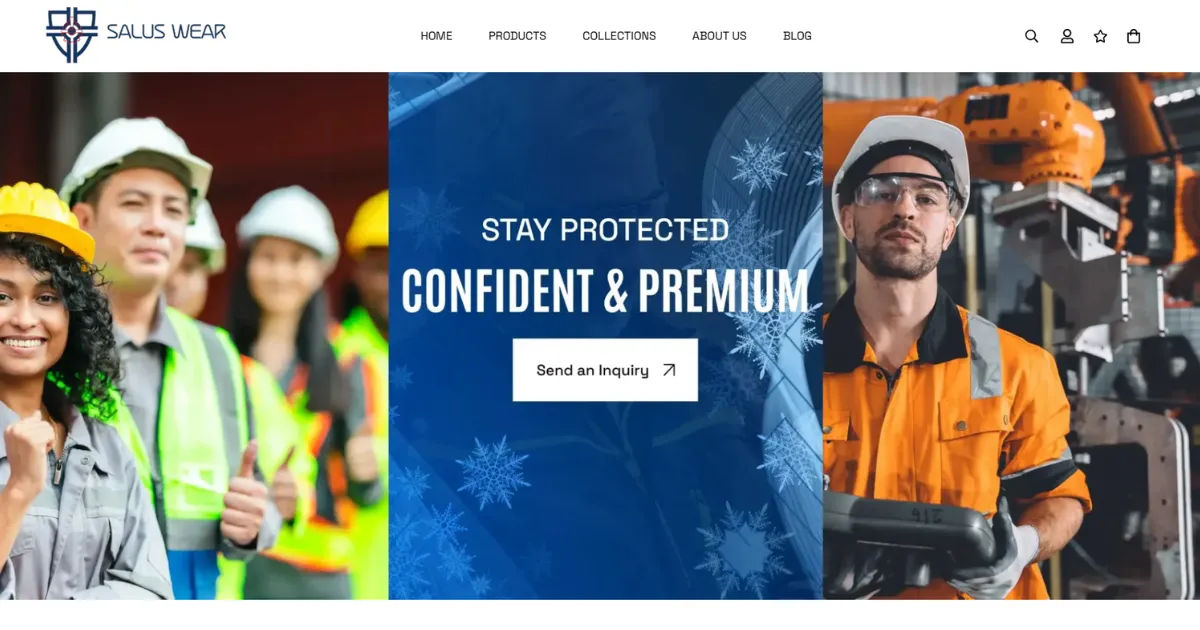
While discounts can save money, buyers often question whether bargain-priced gear provides the same protection, durability, and comfort as full-priced products.The truth is that shop deals on men's flame resistant workwear can absolutely be worth it when you know what to look for.
Not every discounted product is low quality, and not every expensive garment guarantees better performance. Smart shoppers focus on certified protection, trusted brands, proper sizing, and long-term durability instead of simply choosing the lowest price.
This guide explains how to evaluate discounted flame-resistant clothing, the advantages and disadvantages of buying on sale, and how to make informed purchasing decisions without sacrificing workplace safety.
Flame Resistant Workwear
Flame-resistant workwear is specially designed clothing that helps reduce burn injuries when workers are exposed to flames, electric arcs, or flash fires. Instead of continuing to burn after ignition, the fabric resists flames and often self-extinguishes once the ignition source is removed.
Unlike ordinary work clothing, flame-resistant garments are engineered to protect workers in hazardous environments where fire risks are part of daily operations.
Common flame-resistant clothing includes:
-
Work shirts
-
Jackets
-
Coveralls
-
Pants
-
Bib overalls
-
Hoodies
-
Sweatshirts
-
Rainwear
-
Base layers
Workers rely on these garments because safety regulations in many industries require certified protective clothing.
Why Flame Resistant Clothing Costs More
Many first-time buyers are surprised by the price difference between regular workwear and flame-resistant garments.
Several factors contribute to the higher cost.
Specialized Materials
Manufacturers use advanced fibers or specially treated fabrics that meet strict safety standards.
Safety Testing
Every certified garment undergoes testing to ensure it performs properly during hazardous situations.
Strong Construction
Heavy-duty stitching, reinforced seams, durable zippers, and quality hardware increase manufacturing costs.
Long Product Life
Premium flame-resistant clothing is designed for repeated industrial use and frequent washing without losing protective performance.
Because of these features, many buyers actively shop deals on men's flame resistant workwear to reduce expenses.
Why Retailers Offer Discounts
Discounts do not always indicate poor quality.
Many stores reduce prices for perfectly legitimate reasons.
Seasonal Clearance
Retailers clear inventory before introducing new collections.
Overstock
Popular sizes may remain in stock longer than expected.
Holiday Promotions
Large sales often happen during Black Friday, Labor Day, Memorial Day, and end-of-year events.
Bulk Sales
Companies purchasing uniforms for large workforces often receive volume discounts.
Model Updates
Minor design changes may cause previous versions to be discounted even though their protection remains identical.
These situations allow customers to shop deals on men's flame resistant workwear while still purchasing certified safety clothing.
Benefits of Buying During Sales
Purchasing discounted flame-resistant clothing offers several advantages.
Lower Overall Costs
Safety clothing can be expensive, especially when multiple garments are required.
Buying during promotions significantly reduces expenses.
Purchase Higher-Quality Brands
Instead of buying inexpensive unknown brands, discounts may allow workers to afford premium manufacturers.
Build a Larger Wardrobe
Having multiple flame-resistant garments makes it easier to rotate clothing between workdays.
This helps extend garment lifespan.
Better Value for Employers
Companies purchasing uniforms for employees can save thousands through promotional pricing.
Access to Premium Features
Discounts sometimes make advanced features affordable, including:
-
Moisture-wicking fabric
-
Stretch panels
-
Better ventilation
-
Reinforced knees
-
Lightweight construction
-
Improved comfort
These features increase worker satisfaction without increasing the budget.
Possible Drawbacks of Discount Shopping
Although discounts are attractive, buyers should remain careful.
Limited Sizes
Popular sizes often sell out first.
Final Sale Policies
Some discounted items cannot be returned or exchanged.
Older Inventory
Certain products may have been stored for long periods.
While certified garments remain safe if stored correctly, buyers should inspect them carefully.
Limited Color Choices
Clearance items may only be available in specific colors.
Stock Availability
Desired styles may disappear quickly during major sales.
How to Identify Good Deals
Finding genuine value requires more than comparing price tags.
Check Safety Certifications
Always confirm the garment meets recognized safety standards.
Never compromise certification simply because a product is inexpensive.
Compare Original Prices
Some retailers advertise discounts that are smaller than they appear.
Research the normal retail price before purchasing.
Read Customer Reviews
Real-world feedback often reveals information about:
-
Comfort
-
Durability
-
Shrinkage
-
Fit
-
Fabric quality
-
Long-term performance
Evaluate Fabric Weight
Different work environments require different fabric weights.
Lightweight garments improve comfort in hot weather.
Heavier fabrics may provide greater durability.
Verify Return Policies
Understand exchange options before purchasing discounted clothing.
Are Expensive Garments Always Better?
Higher prices do not automatically mean better value.
Some premium garments include additional comfort features rather than significantly higher protection.
Examples include:
-
Better flexibility
-
Softer fabrics
-
Modern designs
-
Enhanced ventilation
-
Extra storage pockets
Workers should evaluate which features actually improve their job performance before spending more.
Choosing the Right Flame Resistant Clothing
Every workplace has different hazards.
Selecting the proper clothing depends on several factors.
Work Environment
Electricians may require arc-rated garments.
Welders often need heavier protection against sparks.
Oil and gas workers commonly require flash-fire protection.
Weather Conditions
Cold environments require insulated flame-resistant jackets.
Hot climates benefit from lightweight breathable fabrics.
Daily Tasks
Workers performing physically demanding jobs should prioritize flexibility and mobility.
Office-based supervisors visiting hazardous areas occasionally may need lighter protection.
Does Discounted Clothing Provide the Same Protection?
Yes, provided the garment remains properly certified.
A discounted certified product offers the same protection as it did before the sale.
Price reductions usually result from inventory decisions rather than decreased safety.
This is why many professionals confidently shop deals on men's flame resistant workwear throughout the year.
How Long Does Flame Resistant Clothing Last?
Several factors influence lifespan.
Frequency of Use
Daily wear naturally shortens garment life.
Washing Practices
Following manufacturer instructions helps preserve both comfort and protective performance.
Workplace Conditions
Exposure to chemicals, abrasion, sharp surfaces, and frequent repairs affects longevity.
Fabric Quality
Higher-quality materials generally withstand more wear cycles.
Proper care significantly extends service life.
Caring for Flame Resistant Clothing
Maintenance is essential.
Recommended care includes:
-
Wash according to label instructions.
-
Avoid bleach unless approved.
-
Do not use fabric softeners if prohibited.
-
Repair damaged garments promptly.
-
Inspect clothing before every use.
-
Replace garments with excessive wear or damage.
Good maintenance protects your investment regardless of purchase price.
Comparing Online and Local Store Deals
Both buying methods offer benefits.
Online Shopping
Advantages include:
-
Larger selection
-
Easy price comparisons
-
Customer reviews
-
Frequent online-exclusive discounts
Potential disadvantages include sizing uncertainty and shipping delays.
Local Stores
Benefits include:
-
Trying garments before purchase
-
Immediate availability
-
Personal assistance
-
Easy exchanges
Prices may sometimes be slightly higher than online promotions.
Many buyers combine both approaches by researching online before visiting local retailers.
Buying for an Entire Workforce
Employers purchasing uniforms should evaluate more than initial cost.
Important considerations include:
-
Consistent sizing
-
Reliable suppliers
-
Replacement availability
-
Employee comfort
-
Compliance with workplace regulations
-
Long-term durability
Bulk purchasing often produces excellent savings without sacrificing quality.
Signs of a Truly Good Deal
You are likely getting good value when the garment offers:
-
Verified safety certification
-
Durable construction
-
Positive customer feedback
-
Trusted manufacturer
-
Comfortable fit
-
Fair return policy
-
Competitive discount
-
Appropriate protection for your job
If all these conditions are met, discounted pricing becomes an added benefit rather than the primary reason for buying.
Common Mistakes Buyers Should Avoid
Many shoppers focus only on price.
Avoid these common mistakes:
Ignoring Certification
Protection always comes before savings.
Buying the Wrong Size
Poor fit reduces comfort and productivity.
Purchasing Unnecessary Features
Choose garments that match actual workplace hazards.
Overlooking Care Instructions
Improper washing shortens garment lifespan.
Choosing Unknown Sellers
Purchase from reputable retailers whenever possible.
When Shop Deals Are Most Valuable
Discounts provide the greatest value when:
-
Replacing worn-out clothing
-
Buying multiple garments
-
Equipping new employees
-
Preparing for seasonal work
-
Taking advantage of holiday promotions
-
Upgrading older workwear
Planning purchases around major sales often delivers significant savings.
Is It Better to Wait for a Sale?
If your current clothing remains in good condition and workplace regulations allow, waiting for major promotional events can be financially beneficial.
However, damaged flame-resistant clothing should never continue to be used simply to wait for lower prices.
Worker safety must always come first.
Conclusion
Many workers hesitate before purchasing protective clothing because of the higher costs. Fortunately, shop deals on men's flame resistant workwear can provide excellent value when approached wisely. Discounts often result from seasonal promotions, overstock inventory, or manufacturer updates rather than reduced product quality.
The key is to prioritize certified protection, proper fit, durability, and trusted brands before considering price alone. A well-made flame-resistant garment purchased during a sale delivers the same workplace protection as one bought at full price while helping workers and employers manage expenses more effectively.
Ultimately, shoppers who research products, compare certifications, read customer reviews, and purchase from reputable retailers can confidently shop deals on men's flame resistant workwear without compromising safety. Saving money is important, but protecting yourself on the job is priceless. By balancing both priorities, you can build a reliable workwear collection that offers long-lasting performance, dependable protection, and excellent overall value.

Leave a Reply