

Finding consistent freight is one of the biggest challenges for independent drivers and small trucking companies. A Box Truck can be useful for local deliveries, regional freight, retail shipments, moving services, and other types of transportation work. However, having the right vehicle is only part of running a successful operation. Drivers also need a reliable way to locate profitable loads and keep their trucks moving.
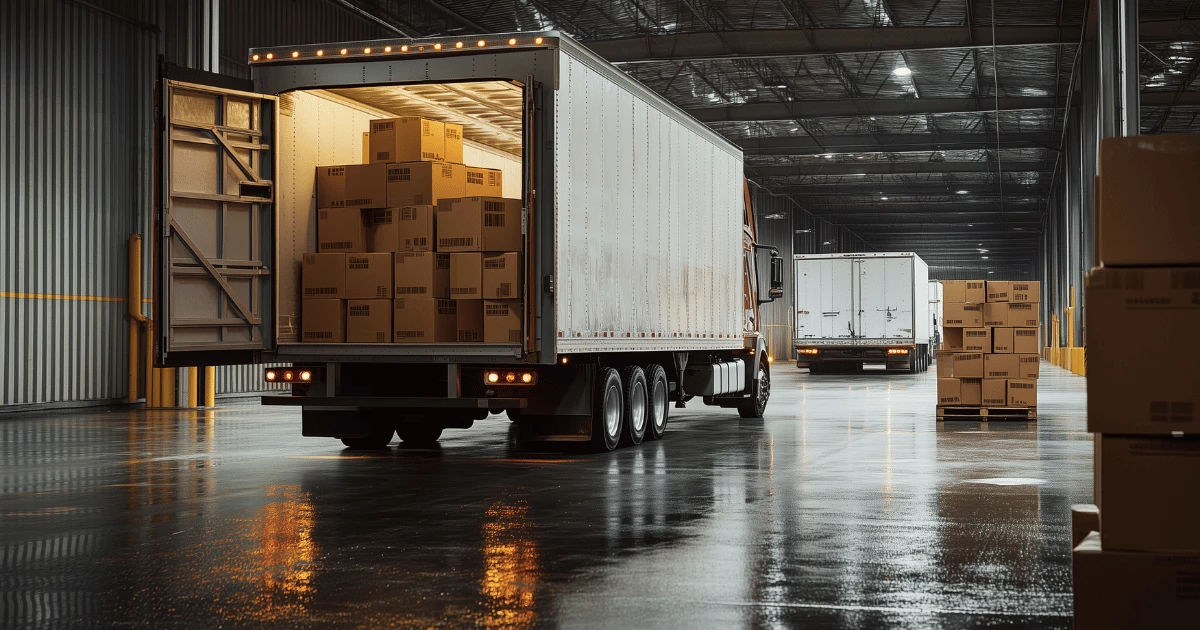
This is where dispatch services can make a major difference. A professional dispatcher searches for available freight, communicates with brokers and shippers, negotiates rates, and helps coordinate loads according to the carrier's requirements. Instead of spending hours searching for freight, a driver can focus more attention on driving, safety, maintenance, and customer service.
A Box Truck dispatcher generally finds loads through several sources, including digital freight marketplaces, broker relationships, shipper contacts, transportation networks, and specialized load boards. Box Truck truckersguide.us can help identify available opportunities and compare freight that matches the truck's location, size, equipment, schedule, and operating authority.
Understanding how this process works can help truck owners decide whether dispatching services are worth using. It can also help new carriers understand where their freight opportunities come from and how professional dispatchers build a steady stream of work.
What Is Box Truck Dispatching?
Box truck dispatching is a transportation support service designed to help carriers find and manage freight. The dispatcher acts as a communication and coordination point between the carrier and potential customers or freight brokers.
The dispatcher does not usually operate the truck. Instead, the carrier remains responsible for operating the vehicle, complying with transportation regulations, completing deliveries, and maintaining the equipment.
A dispatcher may handle tasks such as searching for loads, contacting brokers, negotiating rates, reviewing load information, organizing pickup and delivery schedules, and communicating updates.
For a small carrier, these responsibilities can take several hours every day. A dispatcher can take over many of these administrative duties so the driver can concentrate on transportation operations.
Where Do Dispatchers Find Loads?
Professional dispatchers usually use multiple freight sources rather than depending on one website or customer. Using several channels increases the number of opportunities available.
Freight Load Boards
Load boards are among the most common resources used by dispatchers. These online platforms connect carriers with brokers and shippers that have freight available.
A dispatcher can search according to factors such as pickup location, delivery location, equipment type, distance, weight, dimensions, and desired rate.
For a Box Truck, the dispatcher may search specifically for freight that does not require a tractor-trailer. This can include palletized products, retail deliveries, commercial equipment, furniture, supplies, and other appropriately sized shipments.
Load boards can change constantly. New shipments may appear throughout the day, which means dispatchers need to monitor them regularly.
Freight Brokers
Freight brokers are another important source of loads. Brokers connect shippers with transportation providers and often manage the logistics surrounding a shipment.
A dispatcher may develop relationships with several brokers over time. Once a broker becomes familiar with a carrier's service area and equipment, communication can become more efficient.
Strong broker relationships may also help a dispatcher learn about available freight before or shortly after it becomes widely advertised.
Direct Shippers
Some dispatchers work to develop direct relationships with businesses that regularly need transportation.
These businesses may include manufacturers, wholesalers, retailers, distributors, construction companies, warehouses, and other commercial organizations.
Direct shipper relationships can be valuable because they may provide repeat business. Instead of searching for a completely new load every day, a carrier may receive recurring opportunities from established customers.
Transportation Networks
Dispatchers can also use transportation networks and industry contacts to identify freight.
Networking is particularly important because transportation is a relationship-driven industry. Brokers, carriers, warehouse managers, logistics professionals, and shippers frequently communicate with one another.
A dispatcher who maintains professional relationships may have more opportunities to locate suitable freight.
How Does a Dispatcher Choose a Load?
Finding a load is not simply about choosing the first shipment available. A good dispatcher evaluates whether the load makes financial and operational sense.
Checking the Truck's Location
The first consideration is often the truck's current location.
A dispatcher wants to reduce unnecessary empty miles. If a truck has just completed a delivery in Dallas, for example, the dispatcher may look for another shipment nearby rather than finding freight hundreds of miles away.
Reducing deadhead miles can improve fuel efficiency and increase the percentage of miles that generate revenue.
Checking Equipment Requirements
Not every shipment is suitable for every vehicle.
A Box Truck may have specific cargo dimensions, weight limitations, door configurations, loading requirements, or other equipment characteristics.
The dispatcher must compare the shipment requirements with the truck's capabilities before booking the load.
This helps prevent problems at pickup and delivery.
Reviewing Pickup and Delivery Times
Timing is another major factor.
A load might offer an attractive rate but still be unsuitable if the pickup appointment conflicts with another delivery.
Dispatchers therefore examine appointment times, estimated driving hours, loading requirements, and the carrier's existing schedule.
Good planning helps prevent late deliveries and unnecessary waiting.
Comparing Revenue With Expenses
A high-paying load is not automatically a profitable load.
The dispatcher should consider fuel costs, tolls, deadhead miles, driver time, parking expenses, and other operating costs when evaluating an opportunity.
For example, a shipment offering a higher gross rate may require substantial empty travel. A slightly lower-paying shipment that starts closer to the truck could produce better overall results.
What Types of Loads Can a Box Truck Haul?
The types of freight available depend on the truck's specifications, operating authority, location, and customer requirements.
Common opportunities can include retail products, packaged goods, furniture, appliances, office equipment, building materials, trade-show materials, and commercial supplies.
Some businesses also need scheduled delivery services for recurring routes.
A Box Truck can be particularly useful for shipments that do not require a full-size tractor-trailer. This can create opportunities in urban and regional markets where smaller vehicles can access locations that may be inconvenient for larger trucks.
However, the carrier should always confirm the freight's weight, dimensions, loading method, and delivery requirements before accepting it.
How Dispatchers Negotiate Load Rates
Rate negotiation is another important part of professional dispatching.
When a dispatcher finds a suitable shipment, they may contact the broker and discuss the available rate. The dispatcher considers factors such as mileage, market conditions, fuel expenses, waiting time, route difficulty, and the carrier's operating costs.
The dispatcher may ask whether the broker can improve the rate if the original offer does not provide an acceptable return.
Successful negotiation requires knowledge of the freight market. A dispatcher needs to understand when a rate is reasonable and when there may be room for negotiation.
The goal is not simply to obtain the highest possible price. The goal is to secure freight that provides a reasonable return while fitting the carrier's schedule and route.
Why Location Matters So Much
Location has a major impact on freight availability.
Some areas generate large amounts of commercial freight because they contain distribution centers, manufacturing facilities, ports, warehouses, retail hubs, or major transportation corridors.
Other areas may have fewer outbound opportunities.
A dispatcher therefore considers where the truck will be after completing each shipment. The best load may position the vehicle near another strong freight market.
This strategy is sometimes called load planning or lane planning.
Instead of treating every shipment as an isolated transaction, an experienced dispatcher thinks several steps ahead.
How Dispatchers Reduce Empty Miles
Empty miles occur when a truck travels without revenue-generating freight.
They are one of the biggest concerns for many carriers because the truck still consumes fuel and incurs operating expenses even when it is empty.
Dispatchers attempt to reduce these miles by searching for backhauls, reloads, nearby shipments, and freight that moves toward strong markets.
For example, after delivering a shipment in one city, a dispatcher may immediately search for freight leaving that city or a nearby area.
For a Box Truck, this can be especially useful in regional and urban markets where numerous smaller shipments may be available.
The Importance of Communication
Good communication is essential to successful dispatching.
A dispatcher needs accurate information from the driver regarding location, availability, hours, equipment condition, and delivery status.
The driver also needs clear information about pickup addresses, appointment times, contact names, shipment details, and special instructions.
If information changes, the dispatcher should communicate with the relevant parties as quickly as possible.
Clear communication can help prevent missed appointments, incorrect pickups, and unnecessary delays.
Technology Used in Box Truck Dispatching
Modern dispatch operations depend heavily on technology.
Dispatchers may use load boards, transportation management systems, GPS tracking, email, phone systems, mapping software, digital documents, and electronic communication platforms.
These tools allow dispatchers to search for freight quickly and maintain records of shipments.
GPS information can also help a dispatcher understand where the truck is and estimate when it will become available for another load.
Digital documentation makes it easier to exchange rate confirmations, bills of lading, delivery receipts, and other paperwork.
Technology does not replace good decision-making, but it can make the process faster and more organized.
What Makes a Good Box Truck Dispatcher?
A good dispatcher needs more than access to load boards.
Communication skills are extremely important because dispatchers interact with drivers, brokers, shippers, receivers, and other transportation professionals.
Negotiation skills are also valuable. Dispatchers must be comfortable discussing rates and asking questions about shipment details.
Organization is another important quality. A dispatcher may manage multiple loads, appointments, documents, and conversations at the same time.
Knowledge of transportation routes, freight markets, equipment limitations, and operating costs can also improve decision-making.
Most importantly, a dispatcher should understand the carrier's goals rather than simply booking as many loads as possible.
Common Mistakes When Finding Loads
One common mistake is accepting a load solely because the gross rate looks attractive.
A shipment may appear profitable until fuel, deadhead miles, tolls, waiting time, and other expenses are considered.
Another mistake is failing to verify shipment details.
Before accepting freight, the dispatcher should confirm the pickup and delivery locations, appointment times, weight, dimensions, commodity, rate, and any special requirements.
Poor route planning is another problem. A load that takes the truck far away from profitable freight markets can make the next part of the trip more difficult.
Finally, accepting more freight than the driver can safely complete can create scheduling problems. Safety and realistic scheduling should always come before maximizing the number of loads.
Benefits of Using a Dispatch Service
Using a professional dispatch service can save a carrier significant time.
Searching for freight, calling brokers, negotiating rates, checking routes, and managing paperwork can consume much of a driver's day.
A dispatcher can handle many of these tasks while the driver concentrates on operating the truck.
Another advantage is access to broader freight opportunities. An experienced dispatcher may know where to look, which brokers to contact, and how to identify suitable loads.
A Box Truck owner can also benefit from having someone continuously monitor freight opportunities while the driver is on the road.
However, carriers should carefully evaluate any dispatch company before entering an agreement. They should understand the dispatcher's fees, responsibilities, communication process, contract terms, and cancellation policy.
How to Build a Reliable Load Strategy
A successful load strategy begins with clear business goals.
The carrier should identify preferred operating regions, minimum acceptable rates, maximum driving distances, equipment capabilities, and scheduling preferences.
Once these factors are established, the dispatcher can search for freight that matches the carrier's requirements.
It is also useful to track performance over time.
A carrier can review revenue per mile, deadhead percentage, fuel expenses, average load rate, waiting time, and profit margins.
This information helps identify which routes and shipment types are producing the best results.
Questions to Ask Before Accepting a Load
Before booking freight, a dispatcher should verify several important details.
The pickup and delivery addresses should be confirmed carefully. The dispatcher should also verify appointment times and determine whether the shipment requires special equipment.
The weight and dimensions should match the vehicle's capacity.
The commodity should be clearly identified, particularly if there are restrictions or special handling requirements.
The dispatcher should also confirm the agreed rate and any additional charges that may apply.
Finally, the carrier should know who to contact if a problem occurs during transportation.
Taking a few minutes to verify these details can prevent much larger problems later.
Conclusion
Finding freight is one of the most important parts of operating a successful transportation business. A professional dispatcher uses multiple sources, including load boards, freight brokers, direct shippers, transportation networks, and industry relationships, to identify suitable opportunities.
The process involves much more than simply locating an available shipment. A dispatcher must consider truck location, equipment capabilities, mileage, delivery schedules, operating expenses, market conditions, and future freight opportunities.
For a Box Truck carrier, effective dispatching can help reduce empty miles, improve scheduling, identify suitable freight, and save valuable administrative time. The dispatcher can also negotiate with brokers and maintain communication throughout the shipment.
At the same time, carriers should remember that dispatching is only one part of a successful trucking operation. Profitability depends on careful expense management, safe driving, reliable equipment, accurate documentation, and good customer relationships.
The best dispatch strategy focuses on consistent profitability rather than simply keeping the truck busy. By combining technology, market knowledge, strong communication, and careful load selection, dispatchers can help carriers make better use of their available driving time.
Ultimately, successful dispatching is about matching the right freight with the right truck at the right time and price. When this process is handled carefully, a Box Truck business can build more consistent operations and create a stronger foundation for long-term growth.

Leave a Reply