

Mobile gaming has changed from a simple way to pass time into a major form of digital entertainment. Millions of people now play games on smartphones and tablets every day. With so many games available, developers face a difficult challenge: how can they make their game memorable and keep players interested for a long time?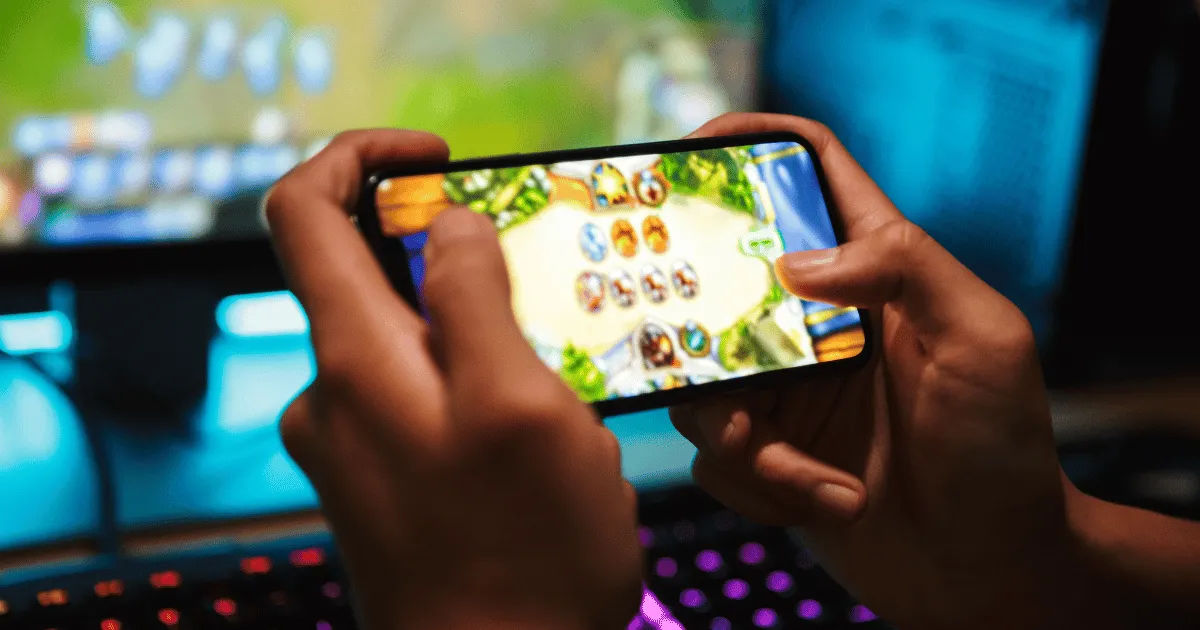
Mobile game customization allows players to personalize different parts of their gaming experience. Depending on the game, players may be able to change characters, outfits, weapons, controls, backgrounds, themes, avatars, vehicles, or other visual elements. Some games also allow users to customize their gameplay preferences, difficulty settings, interfaces, and control layouts.
The growing popularity of platforms and games such as 77pkrgame also shows why developers need to think carefully about how players interact with digital gaming experiences. Modern players do not always want to follow exactly the same path as everyone else. They want choices, flexibility, personalization, and a feeling that their experience belongs to them.
The importance of customization goes beyond appearance. It can influence player engagement, emotional connection, satisfaction, retention, and even the long-term success of a mobile game. When players can make meaningful choices, they are more likely to feel connected to the game world.
For 77pkrgame and similar mobile gaming experiences, customization can help create a more personal relationship between the player and the platform. Instead of feeling like passive users, players can feel that their decisions have an impact on how they experience the game.
This comprehensive guide explains why mobile game customization is important, how it affects player behavior, what types of customization are most valuable, and how developers can use personalization without making the experience confusing or unfair.
What Is Mobile Game Customization?
Mobile game customization refers to the features that allow players to personalize their gaming experience.
The exact options depend on the type of game. In a simple mobile game, customization might involve changing a character's appearance or selecting a preferred theme. In a more advanced game, players may customize characters, equipment, controls, environments, missions, and gameplay styles.
Customization can be divided into two broad categories: cosmetic customization and functional customization.
Cosmetic customization changes how something looks without necessarily changing how the game works. Examples include character clothing, colors, skins, avatars, animations, and backgrounds.
Functional customization affects how players interact with the game. Examples include control layouts, sensitivity settings, difficulty levels, camera options, and interface preferences.
A platform such as 77pkrgame can benefit from customization because users have different expectations and preferences. Some players may prefer a simple interface, while others may want more options and visual personalization.
The main goal is to give players meaningful control without overwhelming them.
Good customization should make a game feel more personal. It should not make the experience unnecessarily complicated.
Why Personalization Matters in Mobile Gaming
Mobile gaming is highly competitive. App stores contain thousands of games competing for the attention of the same audience.
A player may download a game today and remove it tomorrow if the experience feels boring, repetitive, or irrelevant. This makes player engagement one of the biggest priorities for developers.
Customization can help solve this problem by making the experience feel more personal.
When players can choose how their characters look, how their controls work, or how they interact with a game, they are given a greater sense of ownership. This emotional connection can make the experience more enjoyable.
For users of 77pkrgame, personalization can also make the overall interaction feel more comfortable. A familiar interface, preferred settings, and personalized experience can reduce friction and help users focus on enjoying the platform.
Personalization also recognizes that players are not identical.
One player may enjoy fast-paced experiences, while another may prefer slower and more strategic gameplay. One user may prefer bright visual designs, while another may prefer a minimalist interface.
Customization allows developers to serve different preferences without creating an entirely separate game for every type of player.
Customization Creates a Stronger Sense of Ownership
One of the most important psychological benefits of customization is the feeling of ownership.
When players spend time choosing a character's appearance, building a personalized profile, or adjusting their settings, they begin to feel that the experience belongs to them.
This feeling can be especially powerful in games where players spend many hours developing characters or collecting personalized items.
For example, imagine two players starting the same mobile game. If both players have identical characters, identical interfaces, and identical experiences, the game may feel less personal.
Now imagine that each player can customize their character, select different visual themes, and arrange their controls according to personal preferences. The same game suddenly feels different for each person.
This principle is relevant to 77pkrgame because personalization can make users feel more connected to their individual experience. The more control players have over appropriate aspects of the interface and presentation, the more likely they may be to develop a sense of familiarity.
However, ownership should be created through meaningful customization rather than unnecessary complexity.
Customization Improves Player Engagement
Player engagement is one of the most important measures of a mobile game's success.
Engagement refers to how actively and consistently players interact with a game. A highly engaging game encourages players to return, explore new features, and spend more time participating in the experience.
Customization can support engagement because it gives players additional goals.
A player may become interested in unlocking a new outfit, creating a unique character, changing a visual theme, or improving a personalized profile.
These small goals can make the overall experience feel more rewarding.
In a platform such as 77pkrgame, customization can also make the interface feel more relevant to individual users. When players feel comfortable with the way a platform looks and operates, they may find it easier to navigate and interact with it.
The key is balance.
Customization should support the core gaming experience rather than distract from it. If players spend more time navigating complicated menus than enjoying the actual game, customization becomes a disadvantage.
Customization Helps Games Stand Out
The mobile gaming market is crowded.
Thousands of games compete for attention, and many of them share similar concepts. This makes differentiation extremely important.
Customization gives developers another way to make their games distinctive.
A game with a unique customization system may offer something players cannot easily find elsewhere. This can become part of the game's identity.
For example, a game might allow players to create highly personalized characters. Another might focus on vehicle customization. A different game could provide extensive interface personalization.
When 77pkrgame or another mobile gaming platform offers a recognizable and user-friendly experience, customization can become part of the reason users remember it.
However, uniqueness should not come at the expense of usability.
The best customization systems are easy to understand, visually clear, and connected to the game's overall purpose.
Customization Supports Different Player Preferences
Every player is different.
People have different abilities, habits, screen sizes, devices, and preferences. A fixed design may work well for one person but feel uncomfortable to another.
Customization helps address these differences.
For example, some players may want larger buttons. Others may prefer smaller controls that leave more screen space for gameplay.
Some users may prefer one-handed controls, while others may prefer a traditional layout.
Accessibility is another important consideration.
Players may have different visual, motor, or cognitive needs. Customizable text sizes, contrast settings, control layouts, and audio options can make a game more accessible.
This means customization is not only about entertainment. It can also help more people participate comfortably.
A platform such as 77pkrgame can benefit from considering accessibility when designing personalization features. The goal should be to make the experience easier to use for a wider range of players.
Customization Can Increase Emotional Connection
Games are interactive experiences, which means players can develop emotional connections with digital characters, environments, and progress systems.
Customization can strengthen this connection.
When players design a character themselves, they may feel more emotionally invested in that character. When they choose a personal theme or create a unique profile, the game can feel more closely connected to their identity.
This is especially important in games where players spend significant amounts of time developing their accounts.
A customized experience can feel more meaningful than a completely standardized one.
The same principle applies to 77pkrgame. When users can personalize appropriate parts of their experience, they may feel that the platform recognizes their individual preferences rather than treating every user exactly the same.
Customization Encourages Long-Term Retention
Getting players to download a game is only the first step.
The bigger challenge is convincing them to keep returning.
This is known as player retention.
Customization can contribute to retention by creating long-term progression goals. Players may continue playing because they want to unlock new customization options or complete their collection.
For example, a player may work toward earning a special character design. Another may want to unlock a new visual theme.
These objectives can create a reason to return.
For 77pkrgame, personalization can similarly contribute to a more familiar and consistent experience. However, developers should ensure that customization remains enjoyable rather than becoming a source of pressure.
Players should feel rewarded for participating, not forced to spend money or time simply to enjoy basic functionality.
Customization Makes Progress Feel More Meaningful
Progress is a major part of many mobile games.
Players often want to feel that their time and effort are producing visible results.
Customization can make progress more noticeable.
Suppose a player begins with a basic character and gradually unlocks new visual options. Each new item becomes evidence of progress.
This creates a visual history of the player's journey.
In a game connected with 77pkrgame, personalization features could similarly help players recognize their progress through profiles, achievements, or other appropriate visual elements.
The important factor is that customization should have a clear relationship with progress.
If every option is immediately available, some players may lose the sense of discovery. If everything is locked behind payment, players may feel restricted.
A balanced system provides meaningful choices while keeping the core experience accessible.
Cosmetic Customization Can Increase Creativity
Creativity is another major advantage of customization.
Many players enjoy expressing themselves through digital environments. They may choose colors, clothing, accessories, avatars, or themes that represent their personal style.
This transforms the player from a consumer into a creator.
Even simple choices can provide a sense of creative freedom.
For example, a player might choose a favorite color for a character or design a unique profile. These small decisions can make the experience more enjoyable.
Customization in 77pkrgame or similar platforms can be valuable when it encourages creativity without making the system difficult to use.
The best approach is often to offer enough options for meaningful expression while maintaining a clean and simple interface.
Customization Can Improve User Experience
User experience, often called UX, is central to mobile gaming.
A game may have excellent graphics and interesting content, but if it is difficult to control or navigate, players may quickly lose interest.
Customization can improve UX by allowing users to adjust the experience to suit their needs.
Control customization is a particularly useful example.
Mobile devices have different screen sizes and aspect ratios. Players also hold their phones differently. Giving them control over button placement can make gameplay more comfortable.
For 77pkrgame, a user-friendly design can help users navigate features more efficiently. Customizable preferences can reduce unnecessary steps and make repeated interactions more convenient.
However, customization should be optional.
Players who want to use default settings should be able to start quickly without adjusting dozens of options.
Customization Can Build Community Identity
Customization is not always an individual experience.
In multiplayer games, personalized characters and profiles can become part of a broader community identity.
Players may recognize each other by avatars, outfits, colors, or other visual elements.
This can help create social connections.
Some games also allow teams, groups, or communities to customize shared elements. These features can strengthen group identity and encourage collaboration.
A platform such as 77pkrgame can potentially benefit from community-oriented personalization where appropriate. Shared themes, profiles, or social features can help create a stronger sense of belonging.
The most successful community customization systems give players ways to express themselves while maintaining clear rules and respectful interaction.
Customization Supports Different Types of Players
Mobile gaming audiences are diverse.
Some people play for a few minutes during breaks. Others play for hours. Some care deeply about appearance and collection systems. Others are more interested in performance and competition.
A single fixed experience may not satisfy everyone.
Customization allows developers to support multiple player types.
Casual players can use default settings and enjoy a simple experience. More dedicated players can spend time adjusting their profiles or unlocking additional personalization options.
This flexibility can make a game appealing to a broader audience.
For 77pkrgame, understanding these different user preferences can help create a more adaptable experience. Personalization should serve different users without creating unnecessary barriers.
The Difference Between Good and Bad Customization
Not all customization is automatically beneficial.
Poorly designed customization can make a game confusing, slow, or frustrating.
One common problem is excessive choice.
If a player is presented with hundreds of options before even understanding the game, they may feel overwhelmed.
Another problem is pay-to-customize design. If important personalization features are available only through expensive purchases, players may feel excluded.
Customization can also become frustrating when options are difficult to find or when changes require too many steps.
For a platform like 77pkrgame, the best customization approach should be simple, optional, accessible, and relevant to the user's experience.
Good customization answers a basic question: does this feature make the experience better for the player?
If the answer is no, the feature may not be necessary.
Customization and Mobile Game Monetization
Customization is also connected to the business side of mobile gaming.
Many free-to-play games use cosmetic items as a source of revenue. Players may purchase optional outfits, skins, themes, or other visual elements.
This model can work well when implemented fairly.
The main advantage is that cosmetic purchases can allow developers to generate revenue without directly affecting gameplay balance.
For example, two players may have different character appearances while still having equal gameplay capabilities.
This approach is often more acceptable than selling advantages that make one player significantly stronger than another.
In a 77pkrgame-style digital environment, monetization should always be designed responsibly and transparently. Users should understand what they are receiving and should not be pressured into unnecessary spending.
Developers should also consider age-appropriate design and responsible spending practices.
Customization Should Not Destroy Game Balance
In competitive games, customization must be handled carefully.
If customization affects gameplay performance, it can create fairness problems.
For example, if players can purchase stronger weapons or abilities, users who spend more money may gain an advantage over others.
This can damage trust.
Cosmetic customization is usually safer because it changes appearance without changing competitive performance.
When customization affects gameplay, developers should carefully test the system to ensure that it remains balanced.
This is especially important for games with competitive communities.
Players want to feel that success comes from skill, strategy, or effort rather than simply from spending money.
Personalization and Data Privacy
Modern personalization sometimes relies on user data.
A game may track preferences, gameplay behavior, device information, or interaction patterns to improve recommendations.
While personalization can be useful, privacy is equally important.
Developers should collect only the information they genuinely need. They should explain how data is used and provide appropriate privacy controls.
For users interacting with 77pkrgame or any other mobile gaming platform, understanding privacy policies and permissions is important.
Developers should follow applicable privacy laws and security practices.
Trust is difficult to build and easy to lose. A strong customization system should never compromise user privacy.
Customization and Accessibility
Accessibility deserves special attention.
Mobile games should be designed so that as many people as possible can enjoy them.
Customization can help achieve this goal.
Options such as adjustable text size, color contrast, audio controls, vibration settings, and alternative control layouts can improve accessibility.
These features may not be considered traditional customization, but they provide users with greater control over how they interact with the game.
For 77pkrgame and other mobile gaming experiences, accessibility-focused personalization can improve usability and create a more inclusive environment.
The goal is not to create a separate experience for every user. Instead, the goal is to provide flexible settings that allow different people to enjoy the same core experience.
How Developers Should Design Customization Features
Developers should begin by understanding their audience.
They should identify what players actually want to customize rather than adding features simply because customization is popular.
User research, surveys, feedback, and gameplay analytics can help identify valuable options.
The next step is prioritization.
Not every feature needs to be customizable.
Developers should focus on areas where personalization creates the greatest value. This might include character appearance, controls, interface layout, difficulty, or accessibility settings.
The customization system should also be easy to discover.
Players should understand where customization options are located and what each option does.
Clear labels and simple menus can make a major difference.
Testing is equally important.
Developers should observe how real players use customization features. If users regularly ignore a feature or struggle to understand it, the design may need improvement.
The same principles can apply to 77pkrgame when considering how users interact with personalized features.
The Role of Artificial Intelligence in Customization
Artificial intelligence is creating new opportunities for personalized gaming.
AI can potentially help games adapt experiences based on user preferences and behavior.
For example, an AI-powered system might recommend visual themes, suggest settings, or personalize content recommendations.
However, AI-based personalization should be transparent and responsible.
Users should understand when automated systems are influencing their experience.
Developers must also avoid excessive personalization that creates a narrow experience where users only see what algorithms predict they will like.
The best approach combines personalization with user control.
Players should always have meaningful choices.
For 77pkrgame and other modern gaming platforms, AI may become increasingly useful for improving personalization, but it should complement rather than replace human decision-making.
Why Customization Matters for the Future of Mobile Gaming
The future of mobile gaming is likely to become increasingly personalized.
As technology improves, players may receive more control over characters, environments, interfaces, and social experiences.
Cloud gaming, advanced graphics, artificial intelligence, augmented reality, and improved mobile hardware will create new customization opportunities.
Players may eventually expect games to adapt more naturally to their preferences.
This does not mean every game needs hundreds of customization options.
Instead, future games will likely focus on smarter and more meaningful personalization.
A well-designed feature that solves a real player problem is more valuable than dozens of unnecessary settings.
For 77pkrgame, the broader lesson is that modern users increasingly value experiences that feel relevant, flexible, and easy to control.
Common Mistakes Developers Should Avoid
One common mistake is adding customization without a clear purpose.
A feature should exist because it improves the player's experience.
Another mistake is making every option available through payment.
Players may accept optional cosmetic purchases, but they can become frustrated when basic usability is restricted.
Developers should also avoid creating complicated menus.
Customization should save time and improve comfort rather than create extra work.
Ignoring accessibility is another serious mistake.
A game that offers visual customization but does not provide readable text, adjustable controls, or suitable accessibility options may still exclude many players.
Finally, developers should avoid assuming that all players want the same level of customization.
Some users love detailed options. Others prefer simplicity.
The ideal system provides flexibility without forcing customization on everyone.
How Players Benefit From Customization
From the player's perspective, customization offers several direct benefits.
First, it creates a greater sense of personal identity.
Second, it can improve comfort by allowing users to adjust controls and interfaces.
Third, it can increase motivation by providing goals and rewards.
Fourth, it can make the experience more enjoyable by giving players creative freedom.
Fifth, it can improve accessibility for people with different needs.
These benefits explain why customization has become such an important part of modern mobile gaming.
Whether users interact with 77pkrgame or another mobile platform, personalization can help make digital experiences feel more comfortable and engaging when it is implemented thoughtfully.
How Businesses Benefit From Customization
Customization can also benefit game developers and businesses.
A personalized experience can increase engagement and encourage long-term retention.
Higher retention can create a more stable user base.
Customization can also support ethical monetization through optional cosmetic purchases.
Furthermore, personalized experiences can help companies differentiate their products in a competitive market.
However, businesses should focus on delivering real value.
If customization feels like a method for extracting money rather than improving the experience, users may lose trust.
For 77pkrgame and similar gaming platforms, sustainable growth depends on creating experiences that users find valuable, understandable, and trustworthy.
The Importance of Balance
The most important lesson about customization is balance.
Too little customization can make a game feel generic.
Too much customization can make it confusing.
The right amount depends on the game's audience, genre, and purpose.
A simple puzzle game may need only a few visual themes and accessibility settings.
A role-playing game may benefit from extensive character customization.
A competitive game may need customizable controls but should carefully limit gameplay advantages.
For 77pkrgame, the best approach would be to identify the personalization features that genuinely improve the user experience and prioritize those features.
Customization should always support the core purpose of the game.
Conclusion
Mobile game customization is important because modern players want more than basic entertainment. They want experiences that feel personal, flexible, comfortable, and meaningful.
Customization gives players greater control over how they interact with digital environments. It can help them express their identity, create stronger emotional connections, improve accessibility, and remain engaged for longer periods.
For developers, customization can support player retention, differentiation, community building, and responsible monetization. It can also help businesses understand and serve different types of players more effectively.
However, customization should never be added simply for the sake of adding more features.
The strongest systems are carefully designed around real user needs. They provide meaningful choices without creating unnecessary complexity. They respect privacy, support accessibility, and maintain fair gameplay.
The rise of personalized gaming experiences, including platforms such as 77pkrgame, reflects a larger change in how people interact with mobile entertainment. Users increasingly expect digital products to recognize their preferences and give them greater control.
In the future, personalization will likely become even more advanced. Artificial intelligence may help recommend settings and experiences, while new technologies may allow players to customize environments in ways that are difficult to imagine today.
Even as technology changes, the central principle will remain the same: players value experiences that feel made for them.
Ultimately, mobile game customization is important because it transforms a standardized digital product into a more personal experience. It gives players the freedom to choose, create, explore, and interact according to their preferences.
When developers find the right balance between choice and simplicity, customization can make mobile games more engaging, accessible, memorable, and enjoyable. It can also help platforms build stronger relationships with their audiences.
The future of mobile gaming will not simply be about creating bigger games or better graphics. It will also be about creating experiences that understand the individual player.
That is why customization will continue to play an important role in the evolution of mobile gaming. Whether the focus is on appearance, controls, accessibility, identity, or personalization, giving players meaningful choices can make the entire experience more valuable.
For platforms and developers seeking long-term success, the goal should not be to customize everything. The goal should be to customize what matters.

Leave a Reply