

If you work with lumber, one of the first tools you should understand is a Board Foot Calculator. Whether you are building furniture, installing shelves, framing a room, or completing a DIY woodworking project, knowing how much lumber you need helps you save time and money.
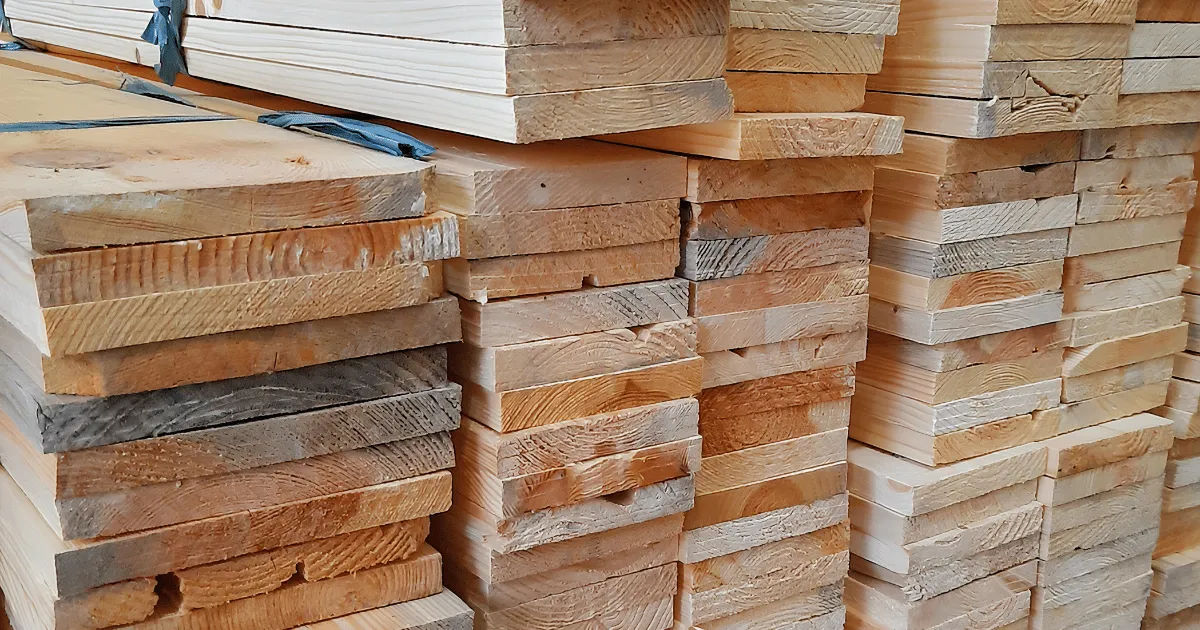
A Board Foot Calculator is especially useful when measuring pine boards because pine is one of the most commonly used softwoods in construction and woodworking.Many beginners wonder if a calculator designed for board feet works accurately with pine lumber.
The simple answer is yes. A Board Foot Calculator measures the volume of wood rather than the wood species. This means pine boards can be measured just as accurately as oak, maple, cedar, or walnut. However, there are a few important details about pine lumber that every woodworker should understand before making calculations.
This guide explains everything you need to know about measuring pine boards, calculating board feet, avoiding common mistakes, and using calculations effectively for projects of every size.
What Is a Board Foot?
A board foot is a standard unit used in the lumber industry to measure the volume of wood.
One board foot equals:
-
1 inch thick
-
12 inches wide
-
12 inches long
Since lumber comes in many different sizes, using board feet creates a universal measurement that makes buying and selling wood much easier.
Rather than estimating how much wood is in a pile of boards, professionals calculate the total board feet.
What Is a Board Foot Calculator?
A Board Foot Calculator is a simple tool that determines how many board feet are contained in a piece of lumber.
The calculation uses three measurements:
-
Thickness
-
Width
-
Length
The standard formula is:
Board Feet = (Thickness × Width × Length) ÷ 144
The number 144 represents the total square inches in one square foot.
Once these measurements are entered, the calculator instantly provides the board footage.
Can Pine Boards Be Measured with a Board Foot Calculator?
Absolutely.
A Board Foot Calculator measures wood volume, not wood type. Pine boards follow exactly the same mathematical formula as every other species of lumber.
Whether the wood is:
-
White Pine
-
Yellow Pine
-
Sugar Pine
-
Eastern White Pine
-
Southern Yellow Pine
the calculation never changes.
The calculator simply measures dimensions.
Why Pine Is Commonly Measured This Way
Pine is among the most widely available lumber species in North America and many other countries.
It is popular because it offers:
-
Affordable pricing
-
Easy machining
-
Light weight
-
Attractive grain
-
Good strength
-
Wide availability
Since pine is sold in many thicknesses and lengths, calculating board feet ensures buyers purchase the correct amount.
Understanding Pine Lumber Sizes
Pine boards come in nominal sizes and actual sizes.
For example:
A 2×4 board does not actually measure 2 inches by 4 inches.
Its finished dimensions are approximately:
-
1.5 inches thick
-
3.5 inches wide
Using actual dimensions gives the most accurate board foot calculations.
Many beginners accidentally use nominal dimensions, resulting in incorrect estimates.
How to Measure Pine Boards
Accurate measurements are the foundation of correct calculations.
Measure the board carefully.
Measure Thickness
Use a tape measure or caliper.
Record the actual thickness in inches.
Measure Width
Measure across the face of the board.
Again, use actual dimensions instead of nominal sizes.
Measure Length
Measure the full length in feet.
If the board length is recorded in inches, convert it into feet before calculating.
Example Calculation
Suppose you have a pine board measuring:
-
Thickness: 2 inches
-
Width: 8 inches
-
Length: 10 feet
Calculation:
(2 × 8 × 120) ÷ 144
Since 10 feet equals 120 inches:
1920 ÷ 144
Result:
13.33 board feet
This tells you the exact lumber volume.
Why Accurate Measurements Matter
Small measurement errors can create significant problems.
Incorrect calculations may lead to:
-
Buying too much lumber
-
Running out of materials
-
Higher project costs
-
More waste
-
Poor budgeting
Accurate measurements help every project stay on schedule.
Benefits of Using a Board Foot Calculator
Using a calculator offers several advantages.
Saves Time
Manual calculations take longer.
A calculator produces results instantly.
Reduces Mistakes
Automatic calculations eliminate many math errors.
Helps Budget Projects
Knowing board footage allows accurate cost estimates.
Improves Material Planning
Woodworkers can purchase exactly what they need.
Works for Every Project
From home repairs to commercial construction, calculations remain consistent.
Pine Board Pricing
Most hardwood suppliers sell lumber by board feet.
Some home improvement stores sell pine by individual boards.
Understanding board footage helps compare prices between suppliers.
For example, if two stores charge differently, calculating board feet lets you determine which option provides better value.
Does Moisture Affect Board Foot Measurements?
Moisture changes wood weight.
However, moisture does not change how board feet are calculated.
The dimensions remain the basis of measurement.
Freshly cut pine may weigh much more than kiln-dried pine, but the board footage stays the same unless the physical dimensions change significantly.
Rough Pine vs Finished Pine
Rough lumber has not been planed.
Finished lumber has smooth surfaces after milling.
Because planing removes wood, finished boards have slightly smaller actual dimensions.
Always measure the lumber you actually have.
Never assume dimensions.
Common Pine Projects
Pine is used in many woodworking applications.
Examples include:
-
Furniture
-
Cabinets
-
Bookshelves
-
Wall paneling
-
Deck framing
-
Interior trim
-
Outdoor structures
-
Workbenches
-
Storage boxes
-
Wooden signs
Nearly every one of these projects benefits from accurate board foot calculations.
Buying Pine in Bulk
Contractors often purchase large quantities of pine.
A Board Foot Calculator becomes even more valuable when estimating multiple boards.
Simply calculate each board individually or total their dimensions before determining overall board footage.
This helps prevent unnecessary purchases.
Common Calculation Mistakes
Many beginners make similar errors.
Using Nominal Dimensions
Always use actual measurements.
Mixing Inches and Feet
Keep units consistent throughout the calculation.
Forgetting Thickness
Board footage measures volume.
Ignoring thickness produces inaccurate results.
Rounding Too Early
Use precise measurements before rounding the final answer.
Measuring Multiple Pine Boards
If several boards have identical dimensions, multiply one board's board footage by the total number of boards.
For example:
One board equals 8 board feet.
Twenty boards equal:
160 board feet.
This saves time and simplifies ordering.
Is Board Foot the Same as Square Foot?
No.
Square feet measure surface area.
Board feet measure volume.
A sheet of plywood may cover many square feet but contain a different board footage depending on thickness.
Understanding this difference prevents confusion when purchasing lumber.
Can Beginners Use a Board Foot Calculator?
Yes.
The tool is designed for everyone.
Whether you are:
-
A homeowner
-
A DIY enthusiast
-
A student
-
A carpenter
-
A contractor
-
A furniture maker
the calculator is easy to use.
Only three measurements are required.
Digital vs Manual Calculations
Manual calculations are useful for learning.
Digital calculators provide faster results.
Most online calculators also reduce mathematical mistakes.
Professionals often verify large orders using both methods.
Tips for Accurate Pine Measurements
Follow these practical tips:
-
Measure twice before calculating.
-
Use actual board dimensions.
-
Keep units consistent.
-
Check lumber for irregular shapes.
-
Record measurements carefully.
-
Double-check long boards.
-
Avoid estimating widths by eye.
These habits improve accuracy.
Why Woodworkers Trust Board Foot Calculations
The lumber industry has relied on board foot measurements for generations.
Because the formula measures volume consistently, it provides a reliable method for pricing and comparing wood.
Whether working with pine, cedar, walnut, cherry, or maple, the calculation process remains exactly the same.
This consistency makes purchasing lumber much easier.
Situations Where Pine Measurements May Differ
Although calculations remain consistent, certain situations require extra attention.
Live-edge pine boards may have uneven widths.
Warped boards can be difficult to measure accurately.
Curved or irregular pieces should be measured at their average usable width.
When in doubt, consult the lumber supplier's measurements.
Planning a Woodworking Project
Before buying lumber:
-
Create a materials list.
-
Measure every required piece.
-
Add extra wood for waste.
-
Calculate total board footage.
-
Compare supplier prices.
-
Purchase slightly more than needed for unexpected cuts.
Good planning reduces delays and saves money.
Frequently Asked Questions
Does a Board Foot Calculator work for all pine species?
Yes. The calculator measures dimensions, so every pine species can be calculated using the same formula.
Can treated pine be measured?
Yes. Pressure-treated pine follows the same board foot calculation.
Is board footage affected by wood color?
No. Color has no impact on volume.
Should I measure before or after cutting?
Measure before cutting when purchasing lumber. Measure finished pieces separately if tracking material usage.
Can professionals rely on board foot calculations?
Yes. Lumber yards, contractors, furniture makers, and carpenters use board foot calculations every day.
Conclusion
A Board Foot Calculator is one of the most valuable tools for anyone working with pine lumber. It provides a quick and reliable way to measure wood volume, estimate material needs, compare lumber prices, and reduce waste. Since the calculation is based entirely on the board's dimensions, it works equally well for every type of pine, including white pine, yellow pine, and treated pine.
The key to accurate results is using actual board measurements rather than nominal sizes and keeping all units consistent throughout the calculation. Whether you are building a simple shelf, crafting custom furniture, or managing a large construction project, understanding board footage helps you make smarter purchasing decisions and avoid costly mistakes. By combining careful measurements with a reliable Board Foot Calculator, you can plan projects with confidence, improve budgeting, and ensure you always have the right amount of pine lumber for the job.

Leave a Reply