

If you work with lumber, understanding how length affects volume is one of the most important skills you can develop. A Board Foot Calculator is a practical tool that helps woodworkers, contractors, builders, furniture makers, and DIY enthusiasts estimate the amount of lumber they need. Since lumber costs are directly connected to volume, even a small change in length can significantly affect your calculations, project budget, and material planning.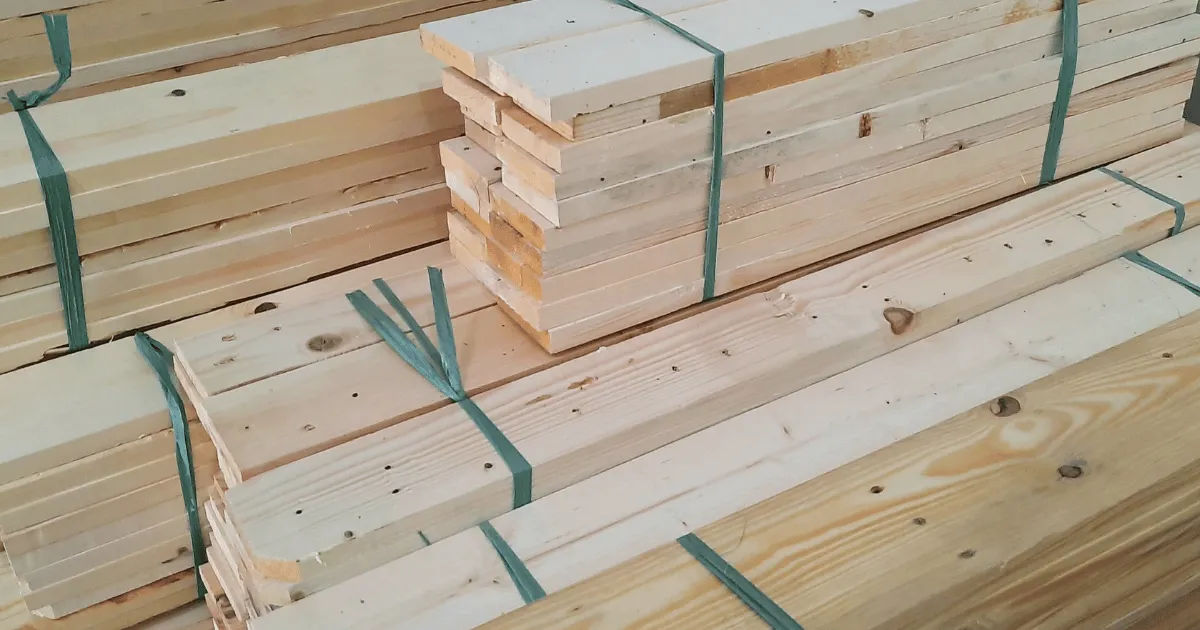
Whether you are building cabinets, framing a house, creating custom furniture, or planning a woodworking project, knowing how length influences calculations allows you to make smarter purchasing decisions and reduce waste. This guide explains exactly how changing the length impacts board foot results and why accurate measurements matter.
Board Foot Measurement
A board foot is a standard unit used to measure the volume of lumber. Instead of measuring only length or width, it combines three dimensions:
-
Length
-
Width
-
Thickness
One board foot equals:
-
12 inches long
-
12 inches wide
-
1 inch thick
Any piece of lumber with the same volume equals one board foot, regardless of its actual dimensions.
A Board Foot Calculator uses these measurements to determine the total volume of lumber required.
What Is a Board Foot Calculator?
A Board Foot Calculator is a calculation tool designed to estimate the total board feet contained in a piece of lumber. Rather than solving formulas manually, users simply enter the thickness, width, and length of the wood.
The calculator instantly determines:
-
Lumber volume
-
Total board feet
-
Material estimates
-
Purchasing quantities
-
Cost projections
Professionals rely on a Board Foot Calculator because it improves speed, reduces errors, and helps avoid purchasing too much or too little lumber.
Why Length Matters So Much
Among all three dimensions, length is often the measurement that changes the most from one project to another.
Thickness usually remains standard.
Width often comes from available lumber sizes.
Length varies greatly depending on project requirements.
Since board feet measure volume, increasing the length automatically increases the total volume.
This means longer boards always produce higher board foot values when the width and thickness remain the same.
The Board Foot Formula
The standard calculation is:
Board Feet = (Thickness × Width × Length in Inches) ÷ 144
If the length is measured in feet, convert it into inches before calculating or use the adjusted formula accepted by many calculators.
A Board Foot Calculator performs these calculations instantly and accurately.
How Increasing Length Changes Results
Imagine you have lumber that is:
-
Thickness: 2 inches
-
Width: 8 inches
Now change only the length.
Four-Foot Board
A shorter board produces fewer board feet because its total volume is lower.
This amount may be perfect for a small shelf or craft project.
Six-Foot Board
Adding two more feet increases the overall volume considerably.
Although thickness and width remain unchanged, the longer board contains much more wood.
Eight-Foot Board
An eight-foot board contains twice as much lumber as a four-foot board with identical thickness and width.
This demonstrates how strongly length influences final board foot totals.
A Board Foot Calculator makes these comparisons instantly.
Why Longer Boards Cost More
Since lumber pricing often depends on board feet, longer boards generally cost more.
The reasons include:
-
Greater wood volume
-
Higher transportation costs
-
More valuable material
-
Greater production resources
When the Board Foot Calculator shows increased board feet, it usually indicates a corresponding increase in price.
The Relationship Between Length and Volume
Volume increases proportionally with length.
If you double the length while keeping width and thickness unchanged, you also double the board feet.
Examples include:
-
4 feet becomes 8 feet.
-
Board feet double.
-
Material costs usually double.
-
Project estimates increase.
This simple relationship explains why accurate length measurements are critical.
Small Length Errors Can Create Big Problems
Many people assume that being off by only a few inches will not matter.
In reality, even small mistakes accumulate across multiple boards.
For example:
-
Ten boards measured incorrectly by just a few inches
-
Total board feet become inaccurate
-
Material costs increase
-
Budget estimates become unreliable
Using a Board Foot Calculator with precise measurements helps eliminate these costly mistakes.
Importance During Large Projects
Large construction projects may require hundreds of boards.
If every board is measured slightly incorrectly, the total error becomes significant.
Possible consequences include:
-
Material shortages
-
Overstock purchases
-
Budget overruns
-
Construction delays
-
Increased waste
Accurate length measurement prevents these issues.
Different Projects Require Different Lengths
Every woodworking project uses different board lengths.
Examples include:
Furniture Making
Tables, desks, chairs, and cabinets often require carefully selected board lengths to minimize waste.
Home Construction
Wall framing, roofing, flooring, and structural beams require standard lumber lengths.
Deck Building
Deck boards vary depending on deck dimensions.
Longer boards often create fewer seams but require more board feet.
Wood Crafts
Small decorative items use shorter boards, reducing total board foot requirements.
A Board Foot Calculator helps estimate lumber regardless of project size.
Waste Factor and Length
Not every inch of lumber becomes part of the finished project.
Cuts create waste.
Defects remove usable sections.
Knots reduce usable material.
Warped sections may need trimming.
Longer boards sometimes generate more leftover pieces depending on the cutting layout.
Many professionals purchase extra material beyond the calculated board feet.
Why Accurate Measuring Tools Matter
Using reliable measuring equipment improves calculation accuracy.
Common tools include:
-
Tape measures
-
Folding rulers
-
Digital measuring devices
-
Laser distance tools
Combining accurate measurements with a Board Foot Calculator produces dependable estimates.
Buying Lumber Efficiently
Efficient lumber purchasing involves more than finding the cheapest boards.
You should consider:
-
Required length
-
Available sizes
-
Cutting plans
-
Waste percentage
-
Budget
Choosing appropriate lengths reduces unnecessary expenses.
Length and Project Budget
Project budgets often change because of lumber requirements.
Longer boards increase:
-
Board feet
-
Material costs
-
Shipping expenses
-
Storage requirements
Before purchasing materials, contractors often compare multiple board lengths using a Board Foot Calculator.
Standard Lumber Lengths
Most suppliers offer common lengths such as:
-
6 feet
-
8 feet
-
10 feet
-
12 feet
-
14 feet
-
16 feet
Selecting the closest length to your project needs reduces waste and saves money.
Planning Cuts Before Buying
Smart planning begins before purchasing lumber.
Create a cutting list showing:
-
Required pieces
-
Individual lengths
-
Quantity needed
This allows you to determine the most efficient board lengths.
The Board Foot Calculator then confirms the total lumber volume required.
Common Mistakes When Measuring Length
Many beginners make simple errors.
These include:
Measuring Incorrectly
Failing to measure from end to end creates inaccurate results.
Forgetting Units
Mixing inches and feet causes calculation errors.
Ignoring Defects
Cracks, splits, and knots reduce usable lumber.
Estimating Instead of Measuring
Guessing dimensions often leads to incorrect board foot totals.
Digital Calculators Improve Accuracy
Modern calculators provide many advantages.
They help users:
-
Save time
-
Eliminate manual calculations
-
Reduce mathematical mistakes
-
Compare multiple board sizes
-
Estimate project costs
Using a Board Foot Calculator simplifies project planning for beginners and professionals alike.
Benefits for Woodworkers
Woodworkers frequently calculate lumber requirements before starting projects.
Accurate calculations help them:
-
Purchase correct quantities
-
Reduce waste
-
Improve profitability
-
Plan cutting layouts
-
Stay within budget
Length measurements play a major role in every one of these goals.
Benefits for Contractors
Construction professionals handle large quantities of lumber daily.
Reliable calculations help contractors:
-
Prepare estimates
-
Order materials
-
Control inventory
-
Avoid shortages
-
Deliver projects on schedule
A dependable Board Foot Calculator supports all these tasks.
Practical Tips for Better Results
To improve calculation accuracy:
-
Measure every board carefully.
-
Double-check length before entering values.
-
Use consistent measurement units.
-
Account for waste.
-
Verify dimensions before ordering lumber.
-
Compare multiple board lengths.
-
Purchase slightly extra material for unexpected needs.
Following these practices leads to more reliable project planning.
Frequently Asked Questions
Does doubling the length always double the board feet?
Yes. If width and thickness remain the same, doubling the length doubles the board foot value because the lumber volume doubles.
Why does length affect lumber cost?
Longer boards contain more wood, resulting in higher board foot measurements and increased prices.
Can a small measurement error matter?
Absolutely. Even a few incorrect inches can affect total board feet, especially when calculating large quantities of lumber.
Is using a calculator better than manual calculations?
Yes. A Board Foot Calculator reduces human error, speeds up calculations, and provides consistent results.
Should I buy extra lumber?
Most professionals recommend purchasing additional lumber to account for waste, trimming, defects, and unexpected changes during construction.
Conclusion
Length is one of the most influential dimensions in lumber calculations because it directly affects the total volume of wood. As board length increases, the number of board feet rises proportionally, leading to higher material requirements and greater project costs. Understanding this relationship helps builders, contractors, furniture makers, and DIY enthusiasts make informed purchasing decisions while minimizing waste and avoiding expensive mistakes.
A Board Foot Calculator simplifies the entire process by quickly calculating lumber volume using accurate measurements of thickness, width, and length. Instead of relying on manual calculations that may introduce errors, users can confidently estimate the amount of lumber required for projects of any size. Whether you are constructing a deck, building furniture, remodeling a home, or completing a woodworking hobby, accurate length measurements combined with a reliable Board Foot Calculator ensure efficient planning, better budgeting, and successful project outcomes.

Leave a Reply